
HP 2026 X360 Convertible Laptop
3.6Editor score
Intel 4-Core Processor
8GB Memory Included
11.6 Inch HD Touch
Choosing the right laptop for Fusion 360 requires balancing processing power, graphics capability, and portability. Whether you are an engineer or designer, the hardware must handle complex assemblies and rendering tasks efficiently without overheating during long sessions.
We evaluated ten distinct models based on CPU core count, GPU performance, memory capacity, and display quality. Our analysis focuses on real-world usability for CAD workflows, ensuring each recommendation supports smooth navigation and precise modeling in Autodesk Fusion 360 environments.
Each pick highlights specific strengths like battery life, screen accuracy, or budget value to help you decide quickly. Prices fluctuate frequently so always verify current deals before purchasing to ensure you get the best value for your specific engineering or design requirements.
3.6Editor score

4.5Editor score

4.0Editor score
As an Amazon Associate we earn from qualifying purchases.
This side-by-side comparison highlights key specifications across all ten selected laptops to help you visualize performance differences quickly. We focus on processor speed, memory capacity, storage type, and graphics capabilities critical for running Autodesk Fusion 360 effectively.
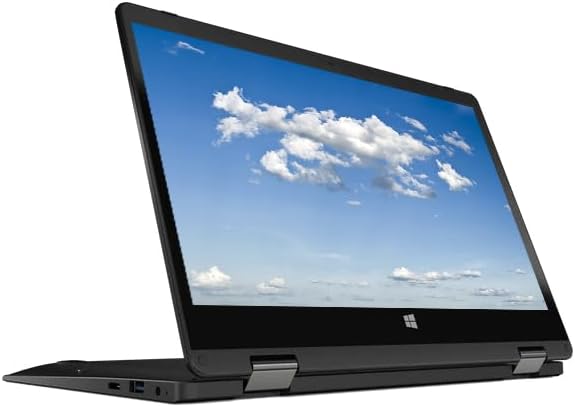



This HP X360 convertible offers an entry-level experience for users needing basic CAD functionality without a high financial commitment. With a rating of 3.6, it serves as a reliable starter device for students or hobbyists testing the waters of 3D design software.
We may earn a commission when you buy through this link, at no additional cost to you.
The Intel 4-core processor running up to 3.29GHz provides enough power for lightweight sketches and simple assembly modeling in Fusion 360. The 8GB memory helps manage multiple browser tabs and the software simultaneously without significant lag during basic tasks.
Storage is limited to 128GB which may require external drives for large project files or extensive media libraries. The 11.6-inch screen is compact and easy to carry but lacks the pixel density found in larger professional workstations.
Ideal for budget-conscious users who prioritize portability over raw performance, this model fits well for occasional use rather than intensive daily engineering work. It is a smart choice if you need a secondary device for drafting notes or light editing on the go.
The low cost makes this accessible for students needing a primary device without breaking the bank.
The 360-degree hinge allows versatile usage modes for sketching ideas or watching tutorials comfortably.
We may earn a commission when you buy through this link, at no additional cost to you.
The Acer Gateway 11.6 presents a very compact solution for users who need a tablet-like experience with laptop functionality. While rated lower at 3.1, it offers specific benefits for those prioritizing mobility above all else in their daily workflow.
We may earn a commission when you buy through this link, at no additional cost to you.
Running on an Intel Processor with speeds up to 2.79GHz, it handles simple web browsing and document editing adequately. The 4GB DDR4 RAM is the main bottleneck for running Fusion 360 efficiently but might suffice for very basic viewing or learning.
With only 64GB of storage, you will likely rely heavily on cloud storage or external drives for your design files. The IPS touchscreen ensures decent color accuracy for a budget device but performance remains restricted by the hardware configuration.
This model is best suited for light users who need a secondary device for note-taking or consuming content rather than heavy rendering. It is a viable option for those who already have a powerful workstation at home and need a mobile companion.
The small form factor makes it easy to slip into a backpack for travel or commuting without weight.
Super-fast WiFi ensures you stay connected to project files stored in the cloud during mobile work sessions.
We may earn a commission when you buy through this link, at no additional cost to you.
The HP Victus stands out as a top contender for Fusion 360 workloads due to its balanced mix of CPU and GPU power. With a 4.5 rating, it delivers professional-grade performance capable of handling complex assemblies and rendering tasks with ease.
We may earn a commission when you buy through this link, at no additional cost to you.
The 8-Core Intel i5-13420H processor combined with 32GB of DDR4 RAM ensures that your system does not choke under heavy workloads. The NVIDIA RTX 3050 graphics card accelerates viewport navigation and 3D rendering significantly compared to integrated graphics solutions.
Storage is ample at 1TB SSD allowing you to keep multiple large project files locally without worrying about space constraints. The 144Hz display provides smooth visual feedback when manipulating models which helps reduce eye strain during long design sessions.
This laptop is perfect for students and professionals who need a reliable machine that can grow with their skills over time. Whether you are designing mechanical parts or creating animations, this hardware configuration supports a wide range of productivity demands.
The RTX 3050 GPU accelerates shading and rendering workflows essential for complex engineering projects.
32GB RAM allows you to run Fusion 360 alongside simulation tools and browsers without slowdowns.
We may earn a commission when you buy through this link, at no additional cost to you.
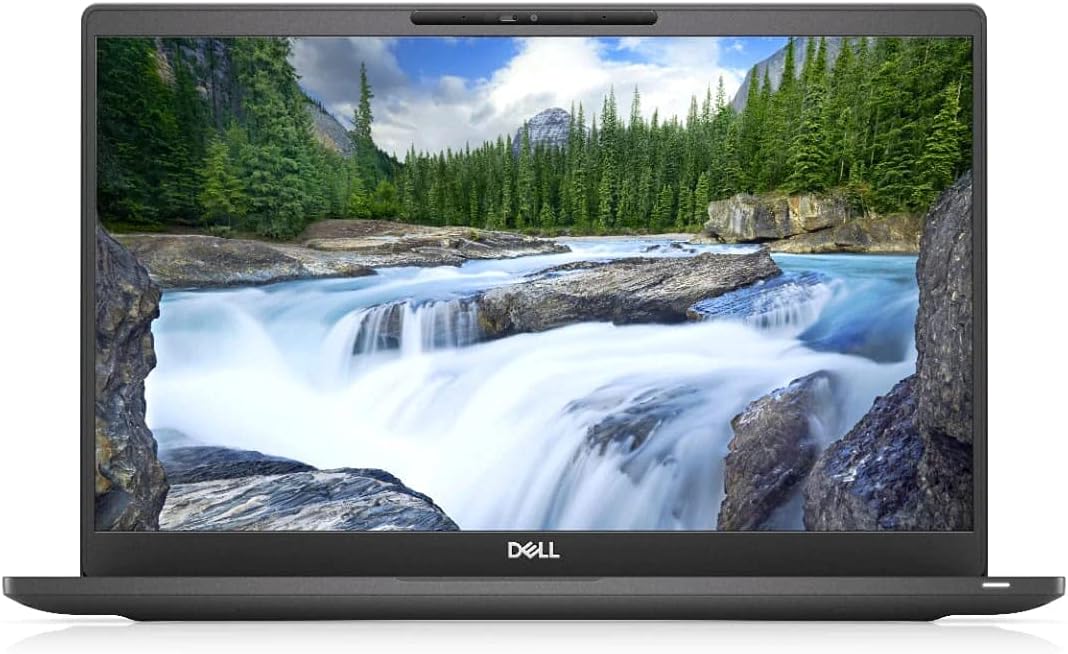
The Dell Latitude 7400 brings enterprise-grade reliability to the Fusion 360 landscape with robust hardware configurations. Rated at 4.0, it offers a stable platform for users who prioritize build quality and consistent performance over raw graphical horsepower.
We may earn a commission when you buy through this link, at no additional cost to you.
Equipped with 32GB of RAM and a Core i7 processor running up to 4.8GHz, this device handles multitasking very well. The 4-core architecture ensures that CPU-intensive calculations during modeling or simulations run smoothly without significant bottlenecks.
While the 256GB SSD is fast, it offers less capacity than some competitors which might necessitate external storage for large archives. The 14-inch FHD screen provides sharp text and clear visuals essential for precise drafting and detailed design work.
Ideal for business professionals or remote workers needing a durable machine that can handle CAD tasks efficiently, this model is solid. Its renewed status offers a cost-effective way to access high-end business features without the premium price tag of new units.
Built to withstand daily travel and usage, the chassis offers resilience for mobile professionals.
The 32GB RAM ensures that even heavy applications run smoothly alongside Fusion 360.
We may earn a commission when you buy through this link, at no additional cost to you.
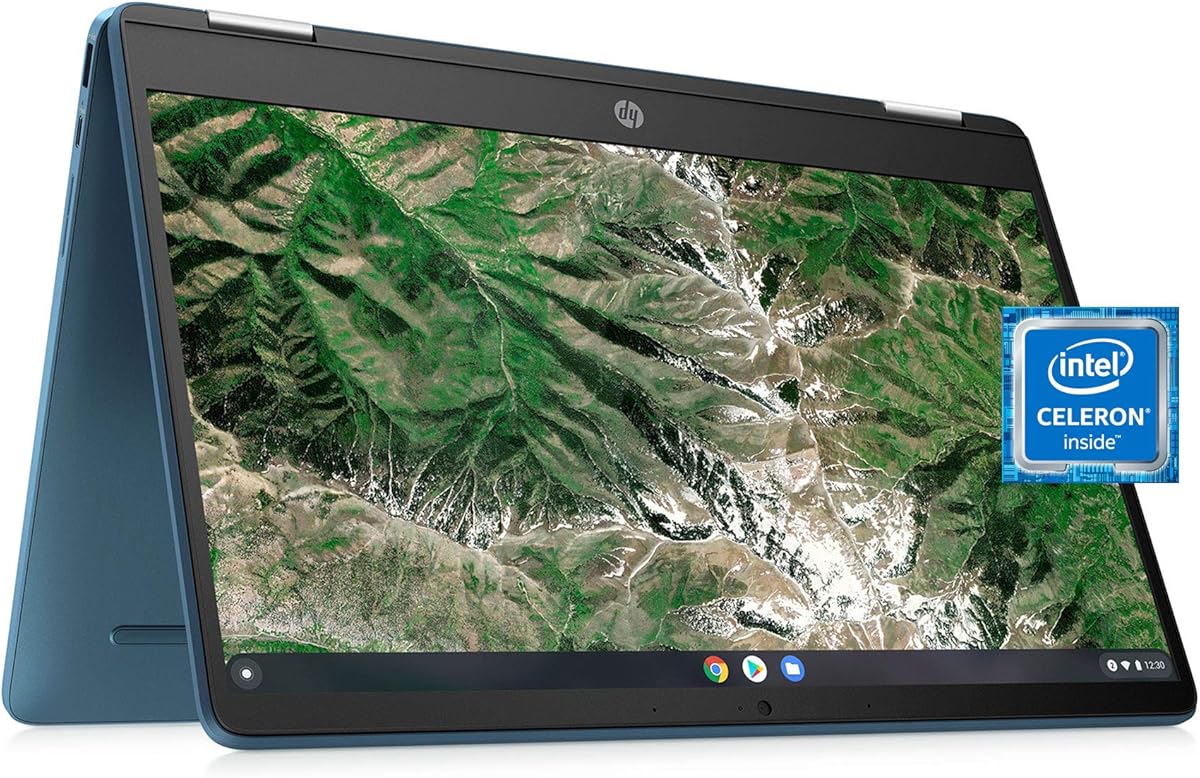
The HP X360 14a Chromebook is designed for simplicity and speed making it suitable for basic viewing and lightweight tasks. With a strong rating of 4.4, it is a favorite for those who need a fast secondary device for reading docs or simple edits.
We may earn a commission when you buy through this link, at no additional cost to you.
Running on an Intel Celeron processor with 4GB of memory, it supports basic operations efficiently. While Fusion 360 can run in a browser on Chrome OS, complex modeling might be restricted compared to native Windows applications.
Storage is minimal at 64GB eMMC but cloud integration keeps the device feeling spacious for most users. The 14-inch touchscreen adds versatility for navigating menus and viewing designs in portrait or landscape orientations easily.
Best for users who rely on cloud-based workflows and need a cheap portable device for travel, this Chromebook fits well. It is a practical choice for students or casual designers who do not require heavy local rendering capabilities.
The operating system boots quickly and stays fast even after extended use without heavy software bloat.
Integration with Google Drive and other cloud services simplifies file management for users on the go.
We may earn a commission when you buy through this link, at no additional cost to you.
The ASUS TUF F16 delivers high-end performance for demanding Fusion 360 workflows with its latest generation components. A 4.0 rating reflects its capability to handle heavy engineering tasks while maintaining stability during long rendering sessions.
We may earn a commission when you buy through this link, at no additional cost to you.
Powered by the Intel Core 5 210H and 32GB of DDR5 RAM, this system offers rapid data processing and multitasking. The NVIDIA RTX 4050 GPU ensures that 3D models are rendered quickly and viewed smoothly without lag or stuttering.
The 16-inch FHD+ display provides ample screen real estate for toolbars and design canvases. Its 144Hz refresh rate adds to the fluidity of interaction which is beneficial for navigating complex 3D spaces efficiently.
This laptop is ideal for professionals who need maximum performance in a portable chassis. The included cooler bundle helps maintain optimal thermal performance ensuring that you get consistent speeds even during intensive workloads.
DDR5 RAM offers faster data throughput than previous generations helping to speed up large data handling.
The larger 16-inch screen gives more room to view detailed components without constant zooming.
We may earn a commission when you buy through this link, at no additional cost to you.
The HP Chromebook x360 boasts an impressive 4.9 rating due to its sleek design and smooth user experience. While not a dedicated CAD powerhouse, it serves well for reviewing designs and managing project files on a modern lightweight device.
We may earn a commission when you buy through this link, at no additional cost to you.
Equipped with 8GB of LPDDR5 RAM and a 128GB UFS drive, it delivers quick app launches and responsive navigation. The Intel Processor N200 handles basic tasks well but may struggle with complex native Fusion 360 simulations.
The 14-inch Full HD IPS display offers vibrant colors and wide viewing angles ideal for media and web browsing. The convertible 2-in-1 design allows you to switch between modes easily for presentations or collaborative design reviews.
This model is excellent for users who prioritize design quality and ease of use over raw processing power. It is a great choice for those who need a secondary device for meetings or quick edits where portability is key.
The IPS panel ensures consistent colors and brightness which helps when viewing detailed design elements.
The 360-degree hinge lets you adapt the device to different environments such as travel or meetings.
We may earn a commission when you buy through this link, at no additional cost to you.
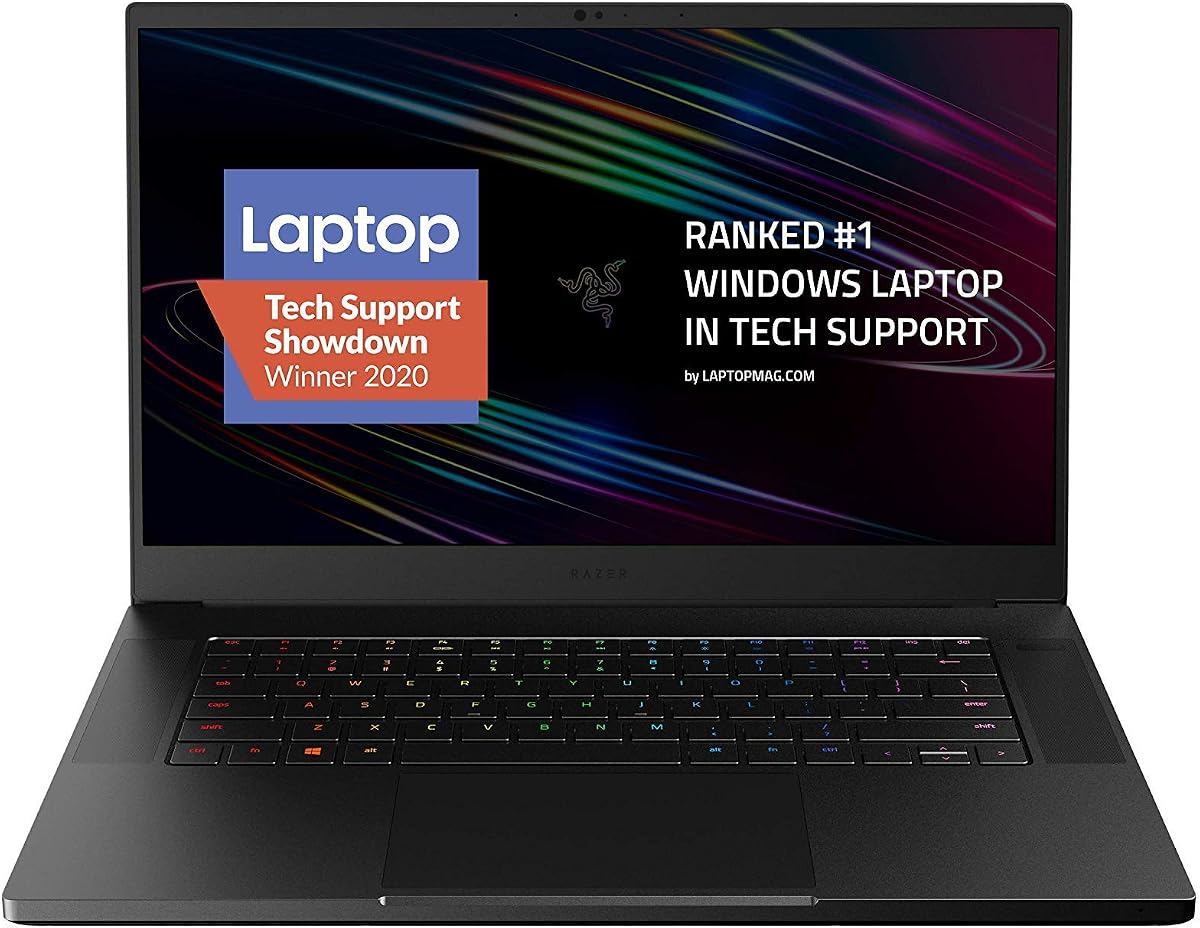
The Razer Blade 15 brings a premium build quality with its CNC aluminum unibody frame that looks professional and durable. Rated at 4.3, it offers a balance of power and portability that appeals to designers who value aesthetics and performance.
We may earn a commission when you buy through this link, at no additional cost to you.
The 8-Core Intel i7 processor and RTX 2070 Super graphics deliver robust performance for 3D modeling tasks. Although it is an older model, the hardware remains capable enough for most Fusion 360 workflows with smooth viewport navigation.
Storage is limited to 512GB which might require external solutions for large archives of projects and media. The 300Hz display is incredibly fast making interactions feel fluid though it is less critical for CAD than for gaming.
This laptop suits users who want a stylish machine that can handle design work while doubling as a media consumption device. The Thunderbolt 3 support adds future-proofing for external monitors and high-speed storage connections.
The CNC aluminum chassis provides a professional look suitable for client meetings and office environments.
Thunderbolt 3 allows for fast external storage and daisy-chaining monitors for expanded workspace.
We may earn a commission when you buy through this link, at no additional cost to you.
The ASUS TUF Gaming Laptop is built to last with military-grade durability ensuring it can withstand the rigors of daily use. With a 4.5 rating, it stands as a reliable workhorse for students and professionals needing consistent performance.
We may earn a commission when you buy through this link, at no additional cost to you.
The Core i7-9750H processor paired with GTX 1650 graphics provides good performance for rendering and modeling. The 512GB SSD ensures quick boot times and fast loading of project files which helps keep workflows efficient throughout the day.
Memory is 8GB which is decent for basic tasks but might limit heavy multitasking. The 144Hz screen adds smoothness to the experience making it easier to track movements and changes in real-time designs.
This model is perfect for users who need a rugged laptop that can handle CAD work without constant maintenance or worry. It offers a great value proposition for those who prioritize build quality and speed over having the latest generation parts.
MIL-STD-810G certification means the device can survive drops and shocks that might break other laptops.
PCIe NVMe SSD offers speeds significantly faster than traditional hard drives helping to reduce wait times.
We may earn a commission when you buy through this link, at no additional cost to you.
The Acer Chromebook Spin 513 offers a compact form factor that is ideal for users prioritizing mobility above all else. Rated at 4.1, it provides a smooth experience for basic tasks and media consumption with a sturdy screen design.
We may earn a commission when you buy through this link, at no additional cost to you.
Powered by the Qualcomm Snapdragon 7c platform, it offers decent efficiency and battery life. The 4GB LPDDR4X RAM handles standard web applications well but may struggle with heavy engineering software simulations.
Storage is 64GB eMMC which requires reliance on cloud services for project files. The Corning Gorilla Glass display adds durability ensuring that the screen can withstand frequent touches and accidental bumps during travel.
This device is best for users who need a reliable travel companion for reviewing designs or simple tasks. It is a practical choice for those who already have a powerful workstation at home and need a mobile device for quick access.
Corning Gorilla Glass protects the display from scratches and minor impacts during daily commutes.
The efficient processor helps ensure long battery life which is great for working away from power outlets.
We may earn a commission when you buy through this link, at no additional cost to you.
Selecting the right laptop for Fusion 360 involves evaluating hardware capabilities that directly impact performance and productivity. We break down the essential factors to consider so you can make an informed decision based on your specific workflow needs.
Fusion 360 relies heavily on CPU performance for calculations and simulations. Look for multi-core processors like Intel i5 or i7 series to handle complex assemblies efficiently without lag.
Prioritize CPUs with higher clock speeds and more cores to ensure smooth modeling and rendering capabilities.
A dedicated GPU is crucial for rendering realistic 3D models and navigating large assemblies smoothly. NVIDIA RTX series cards provide accelerated rendering which saves time during the design process.
Choose a GPU with at least 4GB VRAM to support high-resolution displays and complex visualizations effectively.
RAM determines how many applications you can run simultaneously without slowdown. 16GB is the minimum recommended but 32GB offers future-proofing for heavy multitasking.
Ensure your selected laptop has enough RAM to keep Fusion 360 and web browsers running seamlessly.
Solid State Drives (SSD) are essential for fast boot times and quick file access. Aim for at least 512GB to store multiple project files locally without relying too much on cloud storage.
Check that the laptop supports additional storage upgrades to accommodate growing file needs over time.
A high-resolution display with good color accuracy is vital for precise design work. Larger screens like 15.6 inches provide more workspace for toolbars and detailed views.
Look for Full HD or higher resolution to ensure sharp text and clear lines when working on complex models.
If you work remotely or travel frequently, consider the weight and battery life of the device. A lighter chassis makes commuting easier but might compromise cooling or performance.
Balance performance needs with portability to ensure you can work anywhere without immediate access to power.
Fusion 360 runs best on Windows due to better driver support and compatibility. Ensure your chosen laptop comes with a valid Windows license for full feature access.
Avoid Chrome OS or macOS unless you are certain they meet all your specific software requirements.
Multiple USB ports are useful for connecting mice, drawing tablets, and external drives. USB-C and HDMI ports allow for flexible peripheral connections and external monitors.
Check for available slots for docking stations to expand connectivity options for professional setups.
Always update your graphics drivers regularly to ensure optimal performance with Autodesk Fusion 360. Manufacturers often release updates that improve compatibility and fix bugs that might affect rendering speed.
Maintain adequate ventilation to prevent overheating during long design sessions. Use a cooling pad or ensure vents are not blocked by soft surfaces like beds or couches.
Regularly back up your projects to cloud storage or an external drive to prevent data loss. Fusion files can be complex and losing them mid-project can be costly and frustrating.
Yes gaming laptops are often excellent for Fusion 360 because they come with powerful dedicated GPUs and fast processors. These components help with rendering and modeling tasks. However ensure the device has enough RAM and storage for your workflow.
You should aim for at least 16GB of RAM for smooth performance. While 8GB may work for simple projects it can struggle with larger assemblies. 32GB provides headroom for multitasking and future software updates.
Fusion 360 supports macOS but Windows offers better driver compatibility and stability. If you prefer a Mac ensure it meets the minimum system requirements and you use Boot Camp if needed for native performance.
A touchscreen is not required but can help with certain interactions and navigation in the interface. It is a nice feature for portability but most users rely on a mouse and keyboard for precision tasks.
A screen size of 15.6 inches or larger is generally recommended for comfortable CAD work. It provides more room for toolbars and views. Larger screens reduce the need for multiple monitors in tight spaces.
An SSD is highly recommended for fast application loading and file access. Traditional hard drives can slow down boot times and project retrieval. Ensure your laptop has at least 512GB of SSD storage.
Choosing the right laptop for Fusion 360 depends on balancing your budget with performance needs. Whether you select a high-performance gaming model or a portable budget-friendly option ensure it meets your core requirements.
Prioritize processors with multiple cores and dedicated GPUs to handle complex 3D models efficiently. Adequate RAM and storage are also essential for smooth workflows and future-proofing your device.
Always verify current pricing and deals before purchasing since costs fluctuate regularly. Investing in a quality machine will save you time and frustration as you tackle more ambitious design projects.