
LINKCOOL 360° Rotation Flexible Octopus Travel Stand
4.5Editor score
360-degree swivel ball joint
Wireless remote control included
Flexible Neo-rubber legs
This guide compares the top octopus tripods for wildlife photography, evaluating flexibility, stability, and load capacity for shooting animals in natural
Capturing wildlife requires patience and the right gear to stay hidden while keeping your camera steady. An octopus tripod offers unique flexibility for mounting cameras on uneven terrain or tight spaces where traditional tripods fail.
We evaluated ten top-rated flexible and adaptable tripods based on load capacity, material quality, and grip stability. Our selection includes options for lightweight mirrorless cameras and heavy telephoto setups used by serious nature photographers.
Each pick highlights key strengths and trade-offs to help you choose the best support for your specific shooting needs. Prices and availability may change, so verify current details before making your final purchasing decision.
4.5Editor score

5.0Editor score

4.4Editor score
This comparison table breaks down the key specifications of all ten selected tripods to help you quickly identify the best match for your wildlife photography gear and environment.


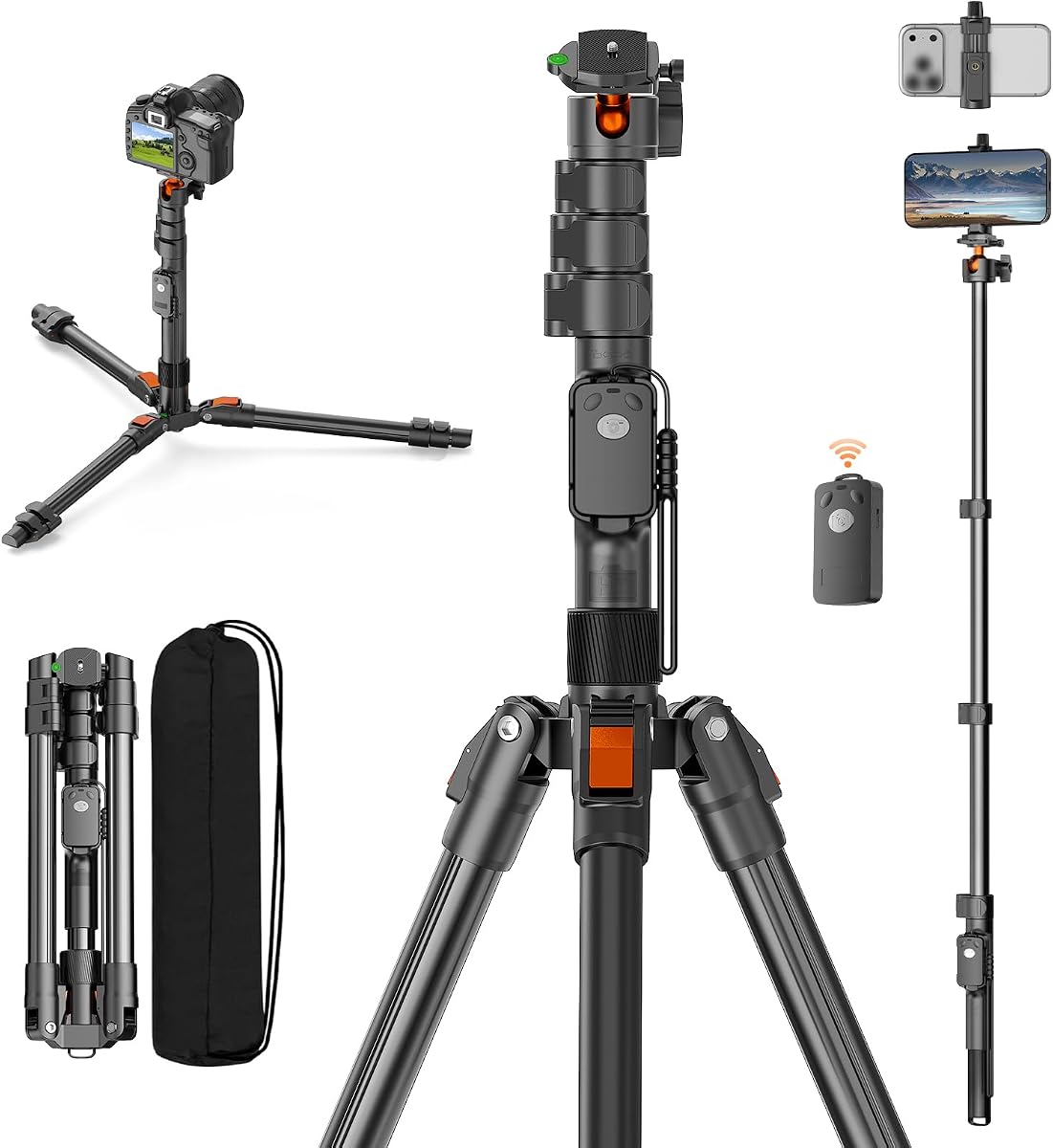


The Fotopro Green Carbon Fiber Tripod stands out as the top choice for wildlife photographers due to its unique stealth design and reliable performance. It earned a perfect rating from users who appreciate its ability to hold heavy telephoto lenses without compromising portability or discretion.
We may earn a commission when you buy through this link, at no additional cost to you.
Its forest green carbon finish effectively kills glare and silhouette, allowing game to step into frame without being alerted. The silent twist locks run quietly, preventing clacks that could spook sensitive birds or mammals. The 8 kg load plate ensures stability for spotting scopes and telephoto lenses at full 60-inch height.
While the price is higher than many entry-level options, the build quality justifies the investment for serious field use. The lack of a bowl head may limit advanced fluid motion compared to dedicated video rigs, but the versatility as a monopod balances this trade-off well.
This tripod is ideal for photographers who prioritize stealth and weight savings during long treks. If you need a reliable, discreet support that adapts to blinds and treeline waits, this is the strongest recommendation on the market today.
The forest green carbon finish reduces visual detection by birds and game, while silent locks prevent audible disturbances in quiet environments.
Packing down to the size of a water bottle at 2.2 lbs, it rides easily in a daypack and converts to a monopod for field flexibility.
We may earn a commission when you buy through this link, at no additional cost to you.
The LINKCOOL 360° Rotation Flexible Octopus Travel Stand offers an accessible entry point for wildlife photographers using lighter equipment. Its flexible legs adapt to branches and rocks, and it includes a wireless remote for hands-free shooting at a low cost.
We may earn a commission when you buy through this link, at no additional cost to you.
The Neo-rubber legs provide good grip on uneven surfaces, and the 360-degree swivel ball joint allows for diverse angles without moving the base. The wireless remote extends up to 30 feet, enabling discreet triggering from a distance when animals are close.
However, this stand is best suited for compact cameras or smartphones rather than heavy DSLRs with long lenses. The rubber feet may struggle on wet rocks or mud compared to spiked alternatives, and the build is less robust for rugged daily abuse.
For hobbyists or those using mirrorless bodies, this tripod is a practical budget choice. Its compact design and remote support make it a great companion for casual wildlife snaps without breaking the bank.
The adjustable rubber grip legs wrap securely around tree limbs and fence posts, allowing for low-angle or elevated shots.
The Bluetooth remote control allows photographers to trigger the shutter from up to 30 feet away for more candid wildlife shots.
We may earn a commission when you buy through this link, at no additional cost to you.
The Benro Mammoth Carbon Fiber Tripod with WH15 Wildlife Head delivers professional-grade support for heavy telephoto lenses and hybrid video setups. It supports loads up to 33 lbs, making it ideal for serious wildlife photographers who need stability without compromise.
We may earn a commission when you buy through this link, at no additional cost to you.
Its premium carbon fiber build offers a superior strength-to-weight ratio, while the WH15 fluid head provides 8-step counterbalance and smooth panning for tracking fast-moving subjects. The independent leg spread and optional spiked feet ensure stability on uneven terrain in demanding environments.
The price is significant, reflecting its pro-level specs, and it is heavier than flexible tripods, which may be a constraint for hiking. The system is designed for stability rather than wrapping flexibility, so it may not be ideal for mounting on small branches.
This is the ultimate choice for wildlife videographers and shooters carrying full-frame DSLRs with large glass. If payload capacity and fluid motion are your top priorities, this system offers unmatched reliability and control in the field.
Supporting up to 33 lbs, this tripod handles large telephoto lenses and video rigs designed without sagging or instability.
The included WH15 head offers continuous pan and tilt drag for smooth tracking shots of moving wildlife and action scenes.
We may earn a commission when you buy through this link, at no additional cost to you.
The ULANZI Camera Tripod Mini Flexible Phone Stand is a compact option for mobile wildlife photographers and vloggers. It features a hidden phone holder and cold shoe mount, allowing for stable smartphone or compact camera usage in tight spaces.
We may earn a commission when you buy through this link, at no additional cost to you.
The 1/4 thread allows for mounting extensions like magic arms, and the ball head supports vertical and horizontal shooting. Flexible legs can wrap around branches or fences, providing versatility where larger tripods cannot reach.
This tripod is best for lightweight setups and may lack the weight to support larger DSLRs securely. The phone holder range is limited to 65-95mm, so compatibility must be checked for specific devices.
For casual wildlife enthusiasts using phones or small cameras, this is a practical and affordable choice. It is a great travel companion for spontaneous shots without carrying heavy gear.
The hidden phone holder supports a wide range of smartphones, ensuring secure mounting for mobile photography and video creation.
A cold shoe mount allows you to attach microphones or lights for enhanced mobile content quality during outdoor recording.
We may earn a commission when you buy through this link, at no additional cost to you.
The SIRUI PH-10 Gimbal Head is a specialized accessory that transforms any tripod into a stable platform for heavy telephoto lenses. It supports up to 15 kg, making it ideal for 200mm-600mm lenses used in wildlife photography.
We may earn a commission when you buy through this link, at no additional cost to you.
Its carbon-fiber body reduces weight to just 0.98kg, while independent locking knobs allow for precise friction and position settings. The 360-degree rotating base enables fast tracking of moving subjects without readjusting the base.
Since this is a head and not a full tripod, you need a compatible sturdy base to mount it. This may increase overall cost and complexity compared to all-in-one solutions, but it offers superior control for heavy optics.
For photographers who already own a sturdy tripod and want to upgrade to a gimbal, this is an excellent value. It provides professional tracking capabilities at a fraction of the cost of premium brands.
Designed to handle up to 15 kg, this head balances mirrorless cameras with large telephoto lenses effortlessly in the field.
Four independent knobs provide precise control over friction and position, allowing for smooth tracking and locked compositions.
We may earn a commission when you buy through this link, at no additional cost to you.
The K&F Concept 64 inch Lightweight Aluminum Travel Camera Tripod offers a robust and affordable solution for general wildlife photography. It extends to 64 inches and folds to a compact size, making it ideal for travelers needing reliable height.
We may earn a commission when you buy through this link, at no additional cost to you.
The 360-degree ball head supports up to 17.6lbs, providing stability for mid-range DSLRs and mirrorless cameras. Quick flip leg locks allow for rapid setup, which is crucial when animals appear unexpectedly in the field.
Unlike flexible octopus tripods, this model does not wrap around branches, but its rigid structure provides better wind resistance. The inverted center column enables low-angle shooting, which can be useful for ground-level wildlife shots.
This tripod is a great choice for hikers who want a traditional design with high portability. It balances cost, height, and weight effectively for most standard shooting scenarios.
Powerful flip leg locks let you open and close all buttons with one hand in seconds, saving time during active shooting sessions.
Inverting the center column allows for low-angle shots, archery perspectives, and close-up wildlife photography without extra tools.
We may earn a commission when you buy through this link, at no additional cost to you.
The XXZU 75 inch Camera Tripod provides extra height for wildlife shooting while remaining portable. Its tall profile allows for eye-level shots without climbing, and it includes a remote for convenient triggering from a distance.
We may earn a commission when you buy through this link, at no additional cost to you.
With a detachable center column, it can serve as a monopod, and the 3-level angle adjustment helps on uneven ground. The ball head supports both horizontal and vertical rotation, offering flexibility in framing compositions.
While it lacks the flexible wrapping feature, its sturdy aluminum build handles heavy loads well. However, it may not be as rigid on high winds as premium carbon models, and the remote has a limited 10m range.
This tripod is ideal for photographers needing height for overgrown terrain or viewing animals at eye level. It is a practical option for hikers looking for extra reach without significant weight.
Extending to 75 inches, this tripod enables natural eye-level framing for wildlife without requiring additional extension poles or ladders.
Built-in levels on the ball head and center column ensure perfectly level shots even on sloping terrain for consistent results.
We may earn a commission when you buy through this link, at no additional cost to you.
The SIRUI 2 In 1 Explorer Series CT-3204 is designed specifically for outdoor environments with its camouflage finish and robust build. The dual-function bowl head allows quick switching between fixed and leveling bases for versatile field use.
We may earn a commission when you buy through this link, at no additional cost to you.
Metal spikes and rubber feet provide grip on varied surfaces, ensuring stability on rough terrain. The adjustable height and three optional leg positions help tackle uneven ground effectively without needing complex setups.
While it is heavier than travel tripods, its durability makes it suitable for demanding expeditions. The camouflage pattern may not be as stealthy as green carbon, but it helps blend into natural surroundings better than black plastic.
This tripod is a solid choice for rugged outdoor photography where stability and durability are paramount. It offers a great balance of features for photographers exploring wild, remote locations.
The dual-function bowl head lets you switch between fixed and leveling bases easily, adapting to different terrain types quickly.
Adjustable leg positions and gripping feet allow for stable mounting on uneven ground, ensuring your gear stays secure.
We may earn a commission when you buy through this link, at no additional cost to you.
The Peak Design Travel Tripod reimagines portability by packing down to the diameter of a water bottle. It offers pro-level stability and height in a compact form, making it ideal for wildlife photographers traveling light.
We may earn a commission when you buy through this link, at no additional cost to you.
The unique leg design allows for fast setup without fumbling, and the single adjustment ring provides intuitive control. With a 20 lb capacity, it handles full-frame DSLRs and telephoto lenses well, ensuring steady shots.
While it is not a flexible octopus model, its compact design makes it easy to carry into difficult terrain. The price is high, but the build quality and thoughtful design features justify the cost for serious travelers.
This tripod is perfect for photographers who prioritize packing efficiency without sacrificing performance. It is a premium solution for wildlife shooters who need to carry minimal gear.
Designed to pack down to the diameter of a water bottle, this tripod is incredibly easy to fit into small travel bags.
Unique leg locking mechanisms let you deploy and lock the tripod in seconds, ready for action when wildlife appears.
We may earn a commission when you buy through this link, at no additional cost to you.
The IFOOTAGE Cobra 3 is a carbon fiber monopod that doubles as a low-profile base, offering unique mobility for wildlife shooters. Its pedal locking mechanism allows quick height adjustments without bending over, which is useful during long sessions.
We may earn a commission when you buy through this link, at no additional cost to you.
With a 17.64 lbs payload, it supports heavy telephoto lenses while remaining lightweight. The base diameter provides additional stability on uneven ground, and the damping allows smooth panning for tracking moving subjects.
As a monopod, it requires more user balance than a tripod, so it may not suit beginners. However, its versatility as a hiking stick or low-profile base makes it a valuable tool for active field photography.
This monopod is ideal for photographers who need to move quickly and require support for heavy gear. It balances mobility and stability in a design that adapts to various field conditions.
Effortlessly lock and unlock height adjustments with a foot pedal, saving energy and time during outdoor wildlife shoots.
The base acts as a mini tripod or low-profile stand, adding stability for low-angle shots and creative perspectives.
We may earn a commission when you buy through this link, at no additional cost to you.
Choosing the right support for wildlife photography depends on your gear weight, shooting environment, and need for stealth or versatility. This guide breaks down the essential factors to consider.
Materials like carbon fiber offer a superior strength-to-weight ratio compared to aluminum, which is crucial when hiking long distances to remote locations. Carbon fiber also dampens vibrations better, providing sharper images in windy conditions.
Prioritize carbon fiber for premium stability and low weight, but consider aluminum if you are on a strict budget and do not need ultra-light transport.
Always ensure the tripod can support at least 1.5 times the total weight of your heaviest camera and lens combination to prevent accidental collapses. Flexible tripods often have lower limits than rigid stands, so match them to your gear size.
Check the maximum load rating before purchasing and aim for a margin of safety to handle sudden movements or wind gusts.
Octopus tripods with flexible legs allow you to mount cameras on branches, rocks, or fences, offering angles impossible for traditional tripods. This adaptability is vital for shooting from low angles or confined spaces.
Look for models with strong rubber or Neo-rubber grips that can wrap securely without slipping on uneven surfaces.
Quiet locking mechanisms are essential for wildlife photography to avoid disturbing animals with loud clicks. Silent twist locks or friction locks help maintain discretion in the field.
Avoid loud flip locks if stealth is a priority, or choose models specifically marketed for silent operation in nature.
Different terrain requires different feet; rubber grips work best on soft soil, while metal spikes are needed for hard or icy ground. Some models offer interchangeable feet for maximum versatility.
Ensure the base provides enough surface area or grip to prevent tipping when leaning on the tripod or using a heavy head.
A 360-degree ball head or gimbal allows precise framing of moving subjects, while fluid heads are better for smooth video panning. Check if the tripod head is included or must be purchased separately.
For wildlife stills, a simple ball head is often sufficient, but tracking action may benefit from advanced friction control.
Colors like forest green or camouflage patterns reduce visual detection by sensitive animals, ensuring they do not flee when the gear is set up. Black tripods can create silhouettes that alert wildlife quickly.
Choose finishes that blend into your typical habitat, such as green carbon or earth tones, to increase your chances of capturing natural behavior.
Features like quick-release plates, carry bags, and smartphone mounts add convenience for field use. Some models include remotes for triggering shots without touching the camera.
Evaluate which extras you truly need to avoid unnecessary bulk and ensure all included tools are durable enough for outdoor conditions.
Start by wrapping the flexible legs tightly around your chosen support like a branch or fence post to ensure a secure grip. Adjust each leg individually until the camera sits perfectly level, using the built-in bubble level if available.
When setting up in windy conditions, hang a small weight or sandbag from the center hook to increase stability and reduce shake. This extra counterweight helps maintain sharp focus even when gusts move the flexible legs.
After each outing, wipe down the legs and rubber feet with a dry cloth to remove dirt, moisture, or salt that could degrade the material over time. Store the tripod in its carrying bag in a dry place to extend its lifespan and keep it ready for the next adventure.
Basic octopus tripods are best suited for lightweight cameras and smartphones. For heavy telephoto lenses, you should choose a flexible tripod specifically rated for higher loads, such as carbon models with reinforced legs or a rigid tripod with a gimbal head to ensure stability and safety.
Yes, you can use flexible tripods on rocks, but the rubber feet must have enough grip to hold the surface. Some models offer metal spikes or interchangeable feet for better contact on slippery or uneven rocky ground.
Carbon fiber is lighter, better at damping vibrations, and resists rust, making it ideal for long hikes and damp environments. Aluminum is more affordable and durable against scratches, so it works well if weight is not a primary concern.
Green or camouflage colors are best because they blend into natural environments and reduce the risk of startling animals. Black tripods can create noticeable silhouettes that may scare off wildlife before you capture the shot.
A remote shutter helps minimize camera shake and allows you to trigger the shot from a distance, which is useful when animals are close. Many budget flexible tripods include remotes, but you can also use timer settings on your camera.
Wipe the legs with a damp cloth and mild soap to remove dirt or debris, then dry them thoroughly before storage. Avoid using harsh chemicals that might degrade the rubber compound or reduce grip effectiveness over time.
Most flexible tripods come with universal phone clips or 1/4 inch threads that accept smartphone holders. This compatibility allows you to use mobile devices for wildlife shots without needing additional adapters.
A fluid head provides smoother panning for tracking moving animals, which is essential for video. For still photography, a simple ball head is usually sufficient unless you shoot both video and stills frequently.
The Fotopro Green Carbon Fiber Tripod remains our top choice for its perfect blend of stealth, strength, and quiet operation in the field. It offers the most practical features for serious wildlife photographers who need reliability without disturbing nature.
If budget is your main constraint, the LINKCOOL Flexible Octopus Travel Stand provides excellent versatility for lighter setups and casual shooting. It is an ideal entry point for those who want to experiment with flexible mounting without a large financial commitment.
Always verify current prices and availability before purchasing, as models may change or go on sale. Choose the tripod that best fits your gear weight and shooting style to ensure successful wildlife photography sessions.