
TP-Link Archer AX1800S
4.3Editor score
Affordable Wi-Fi 6 performance
Five Gigabit Ethernet ports
AiProtection Classic security
This guide compares the top NAS routers for 2026, evaluating Wi-Fi 7 support, port speeds, and security features to help you choose the right model for your
NAS routers combine storage and networking power to streamline data access across devices. They eliminate the need for separate servers while providing robust connectivity options for modern households and small businesses.
We analyzed ten leading models based on performance, feature sets, and user feedback. Our evaluation focuses on throughput speeds, port configurations, security protocols, and overall reliability under demanding network conditions.
Each selection highlights specific strengths like gaming optimization, enterprise security, or travel versatility. Keep in mind that product availability and pricing may fluctuate based on market demand and seasonal promotions.
4.3Editor score

4.5Editor score

4.2Editor score
The following table provides a side-by-side overview of key specifications for each selected router, helping you identify the most suitable option for your specific networking requirements.

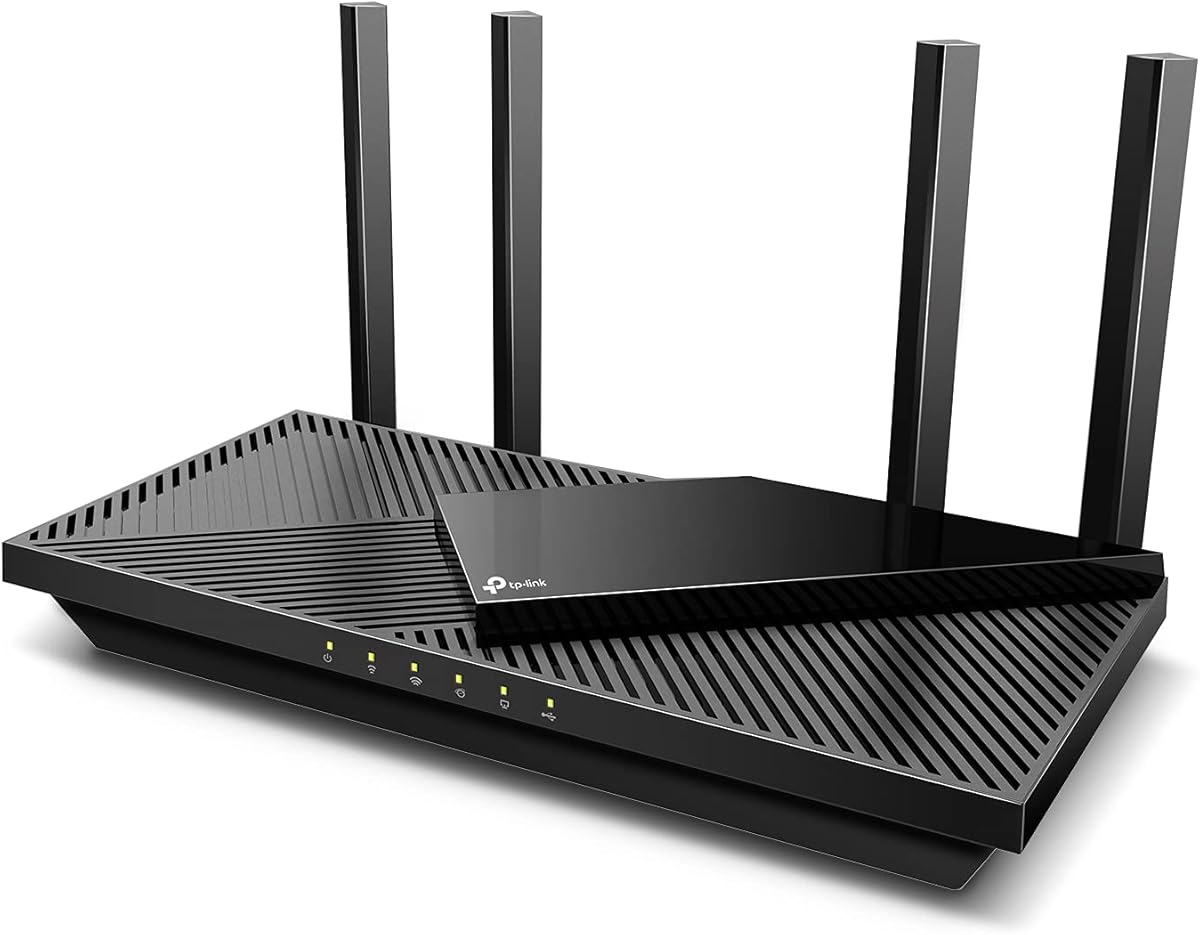
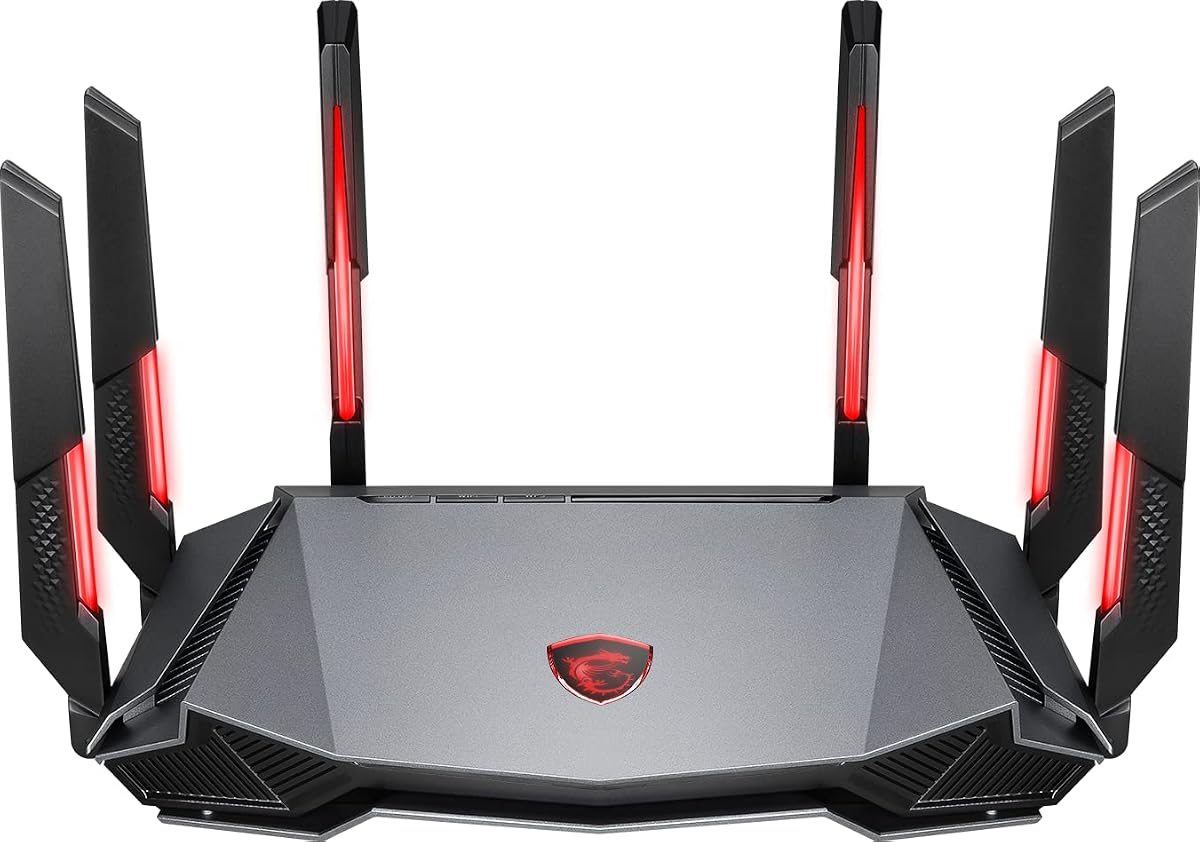

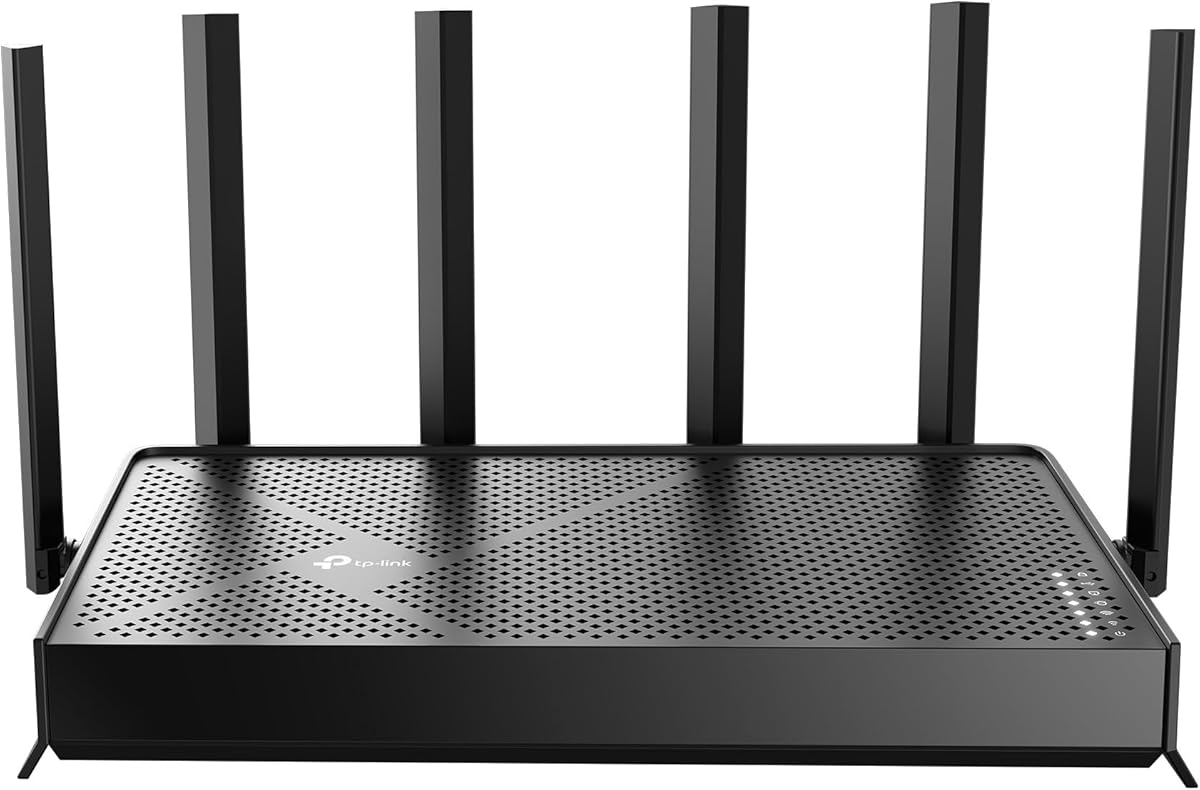

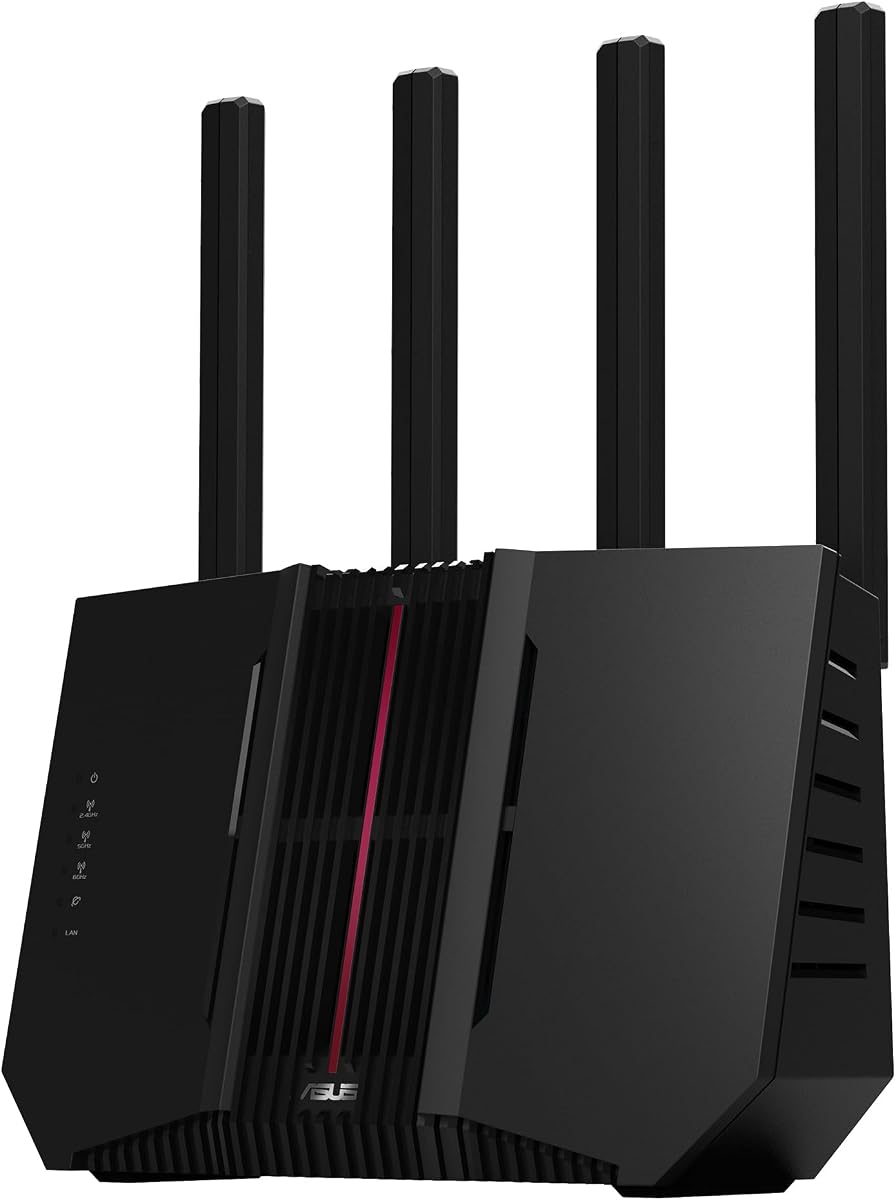
The TP-Link Archer BE230 brings next-generation Wi-Fi 7 technology to the market at an accessible price point. With its Multi-Link Operation and 4K-QAM capabilities, it delivers enhanced throughput for data-heavy households.
We may earn a commission when you buy through this link, at no additional cost to you.
This router features dual 2.5G ports that allow you to connect NAS devices directly without bottlenecking. The quad-core processor ensures stable performance even when handling simultaneous streams and downloads.
While it lacks a 6GHz band, the BE3600 speed rating compensates well for most environments. Users should note that full Wi-Fi 7 benefits require compatible client devices.
This device is ideal for tech enthusiasts ready to adopt Wi-Fi 7 early. It offers excellent value for those seeking future-proof connectivity without the premium price tag of top-tier models.
The 2.0GHz quad-core processor handles heavy traffic efficiently, minimizing latency during peak usage times.
TP-Link HomeShield provides real-time IoT protection and robust parental controls out of the box.
We may earn a commission when you buy through this link, at no additional cost to you.
The TP-Link AX3000 remains a solid choice for home users needing reliable connectivity without advanced features. Its AX3000 speed ensures smooth streaming and downloads across multiple devices simultaneously.
We may earn a commission when you buy through this link, at no additional cost to you.
OFDMA technology allows multiple clients to share the same band, which significantly reduces latency. The cooling design keeps the unit running cool under sustained load.
While it does not offer the fastest port speeds, the standard Gigabit ports are sufficient for most internet plans. The router supports both VPN client and server functionality.
Buyers looking for a straightforward and affordable router will appreciate its ease of use. It is a great fit for upgrading from older Wi-Fi 5 systems without overspending.
Gaming and streaming run smoothly thanks to reduced latency and jitter through efficient bandwidth allocation.
Voice control via Alexa makes adjusting network settings simple without needing a separate app.
We may earn a commission when you buy through this link, at no additional cost to you.
The MSI Radix AXE6600 targets gamers who need the lowest possible latency. It utilizes the 6GHz band to avoid congestion from other household devices.
We may earn a commission when you buy through this link, at no additional cost to you.
AI QoS automatically prioritizes game packets, ensuring smooth online play. The powerful quad-core processor handles multiple high-bandwidth tasks without dropping frames.
The RGB lighting adds a visual flair that matches gaming setups, though it can be disabled if preferred. Performance is robust, but the price is higher than general-purpose options.
This router is perfect for dedicated gaming stations. Its specialized features make it stand out for users who prioritize performance and customization over basic connectivity.
Data packets are prioritized automatically, giving gaming traffic precedence over background downloads.
Access to the 6GHz band provides a dedicated lane for high-speed, low-latency connections.
We may earn a commission when you buy through this link, at no additional cost to you.
Recognized as a PCMag Editors' Choice, this router balances performance and usability. It offers tri-band connectivity that distributes traffic effectively across three distinct frequency bands.
We may earn a commission when you buy through this link, at no additional cost to you.
The 6GHz band ensures near-zero latency for video chats and gaming. With 512MB of memory, the device handles complex routing tables and multiple connections efficiently.
While it lacks high-speed wired ports, the wireless throughput is impressive. The cooling design ensures stability during long periods of heavy network usage.
This model suits households needing robust wireless capacity. It is a reliable mid-range choice for those who value brand recognition and consistent performance.
OFDMA technology increases capacity by four times, supporting simultaneous connections without slowdowns.
A unique housing design promotes better heat dissipation for consistent performance over time.
We may earn a commission when you buy through this link, at no additional cost to you.
The GL.iNet GL-MT6000 Flint 2 is a favorite among tech-savvy users who want full control. It offers dual 2.5G ports that are rare at this price point.
We may earn a commission when you buy through this link, at no additional cost to you.
Open-source firmware support allows for extensive customization and plugin installation. The hardware handles high-speed VPN connections effectively, making it great for privacy-conscious users.
Initial setup requires updating firmware, which is necessary for optimal performance. The device supports over a hundred connected devices simultaneously with stability.
This router is ideal for those willing to tinker with settings. It offers exceptional value for anyone needing enterprise-grade features without the enterprise price.
OpenWrt support allows DIY users to install plugins for advanced network management.
High-speed OpenVPN and Wireguard encryption maintains connection speeds even when using a VPN.
We may earn a commission when you buy through this link, at no additional cost to you.
Synology brings enterprise-grade features to the consumer market with the RT6600ax. It supports VLAN segmentation, allowing users to isolate devices on different networks.
We may earn a commission when you buy through this link, at no additional cost to you.
The 2.5GbE port provides necessary speeds for high-throughput needs. Threat prevention and web filtering offer robust protection against malware and unwanted content.
Users can define up to five separate networks, ideal for guests or IoT devices. This segmentation enhances security significantly compared to standard router setups.
This router is perfect for home offices requiring strict data separation. It is a premium choice for those prioritizing security and network management.
VLAN tools let you isolate guests or IoT devices from your main network for better security.
Site-to-site VPN tunneling allows secure access to your home network from anywhere.
We may earn a commission when you buy through this link, at no additional cost to you.
The BE9700 represents the top tier of current router performance. Its BE9700 speed rating ensures that bandwidth limits are rarely a concern for modern households.
We may earn a commission when you buy through this link, at no additional cost to you.
A 10G port allows direct connection to multi-gigabit internet services. The coverage area extends to 2600 square feet, eliminating dead zones in large homes.
MLO technology combines bands into a single stream for consistent connectivity. This ensures stable performance even when moving between rooms or floors.
This router is for users who want the absolute best speeds available. It justifies the high cost for those with gigabit+ internet and demanding connectivity needs.
MLO combines multiple bands into one stream for smoother connectivity while moving.
Integrated 10G and 2.5G ports enable full utilization of high-speed internet plans.
We may earn a commission when you buy through this link, at no additional cost to you.
This travel router combines 5G cellular connectivity with Wi-Fi 7 for mobile users. It supports dual standby and eSIM, making it versatile for international travel.
We may earn a commission when you buy through this link, at no additional cost to you.
The 10Gbps USB-C port supports fast data offloading, ideal for content creators on the go. Its battery lasts over 13 hours, ensuring uninterrupted connectivity.
A touchscreen allows quick settings changes without needing an app. Failover features ensure you stay online even if one connection drops.
This device is essential for digital nomads. It bridges the gap between mobile data and home-style Wi-Fi performance for professionals working remotely.
Dual physical SIM slots and an eSIM allow easy switching between carriers globally.
5G and Wi-Fi 7 provide desktop-class speeds even when you are away from home.
We may earn a commission when you buy through this link, at no additional cost to you.
The ASUS RT-AX1800S is an ideal starting point for smart homes. It supports AiMesh, allowing you to add nodes for whole-home coverage later.
We may earn a commission when you buy through this link, at no additional cost to you.
Its five Gigabit ports ensure enough wired connections for consoles and PCs. The security suite is subscription-free, providing ongoing protection without recurring costs.
While it is a lower-performance model, it handles daily tasks reliably. Instant Guard VPN allows for secure public Wi-Fi access on mobile devices.
This router suits small homes or apartments. It offers excellent value and flexibility for those who may need to expand their network later.
AiMesh compatibility lets you add nodes to cover larger areas without replacing the main router.
AiProtection Classic powered by Trend Micro keeps your network safe without extra fees.
We may earn a commission when you buy through this link, at no additional cost to you.
The ASUS RT-BE9700 delivers flagship performance with 9.7 Gbps speeds. It is designed for large setups requiring maximum throughput and flexibility.
We may earn a commission when you buy through this link, at no additional cost to you.
Its WAN capabilities include USB ports for mobile tethering, ensuring internet connectivity even if the main line fails. AiMesh ensures seamless roaming between routers.
The 320MHz channels provide massive bandwidth for future applications. Security features protect your network from end-to-end with commercial-grade cloud databases.
This is the best choice for high-end homes. It provides future-proof speeds and advanced management options for demanding users.
AI WAN detection and USB ports provide always-on internet redundancy.
AiMesh technology enables seamless movement between nodes without disconnecting devices.
We may earn a commission when you buy through this link, at no additional cost to you.
Selecting the right router involves balancing speed, features, and budget to meet your specific connectivity needs.
Wi-Fi 6E and Wi-Fi 7 standards offer improved speeds and lower latency than older generations. Newer standards ensure better compatibility with future devices.
Prioritize models with at least Wi-Fi 6E if you have many connected devices.
Gigabit ports are standard, but 2.5G or 10G ports are essential for fast data transfers. Look for routers with high-speed LAN ports to connect network storage directly.
Ensure the router has sufficient high-speed ports for your wired devices.
A powerful processor prevents bottlenecks during heavy data traffic. Memory capacity affects how many devices the router can handle simultaneously without slowing down.
Choose routers with multi-core processors and ample memory for stability.
Built-in firewalls and threat prevention tools protect your network from external attacks. Subscription-free security is often better value for home users.
Verify that the router includes robust, ongoing security features.
Strong VPN capabilities allow secure remote access to your home network. Look for OpenVPN and WireGuard support for better performance and flexibility.
Ensure the router supports both VPN client and server functions.
Mesh compatibility allows you to extend your network as your home grows. This ensures consistent coverage in larger spaces.
Pick a model that supports mesh nodes or EasyMesh standards.
Range depends on antenna count and beamforming technology. Larger homes need routers with high signal output and optimized antenna designs.
Check the square footage rating to match your physical space.
User-friendly apps simplify configuration and management. Look for intuitive interfaces that allow easy monitoring of connected devices.
Select a router with a straightforward setup process and app control.
Place your router in a central, elevated location to maximize signal distribution throughout your home. Avoid placing it near thick walls or electronic interference sources.
Regularly update your firmware through the manufacturer's app or web interface. This ensures you have the latest security patches and performance improvements.
Use wired connections for bandwidth-heavy devices like desktops and NAS units. This reduces congestion on the wireless bands and improves overall network stability.
Most routers require a separate modem to connect to your internet service provider. However, some models feature built-in cellular modems for backup connectivity options.
Yes, modern routers offer advanced features like VLAN segmentation and VPN support that are ideal for secure home office setups.
Wi-Fi 7 offers significantly faster speeds, lower latency, and better handling of multiple devices simultaneously compared to older standards.
You can expand coverage using mesh nodes or range extenders compatible with your router. Ensure you choose models with EasyMesh support for seamless integration.
While not essential, built-in VPN support simplifies secure remote access for your devices. It is a valuable feature for privacy-conscious users.
Modern routers can handle anywhere from 50 to over 100 devices depending on their processing power and memory. Check specifications for device capacity ratings.
Our top picks range from budget-friendly models to high-end solutions catering to diverse networking needs. Each model offers unique strengths for specific user scenarios.
Prioritize features like port speeds and security based on your primary usage. Gamers may benefit from low-latency tech, while others might prefer mesh expandability.
Prices and availability can fluctuate, so verify current details before purchasing. Always check compatibility with your existing internet service plans.