
Zigbee Human Presence Sensor
4.0Editor score
Works with SmartThings hub
Detects stationary people
Long battery life
Discover the top Home Assistant Human Presence Sensor models for accurate detection and automation. Compare mmWave radar features and integration options.
Smart home enthusiasts often struggle with traditional motion sensors that fail when you sit still. A dedicated Home Assistant Human Presence Sensor solves this by using advanced radar to detect even subtle movements like breathing. This ensures your lights stay on while you read or relax without constant waving.
We have carefully evaluated the latest models available today to find the best options for local control. Our comparison focuses on mmWave technology, compatibility with open-source platforms, and ease of setup. You will find devices ranging from Zigbee hubs to direct Wi-Fi connections.
Each pick in this list highlights specific strengths such as battery life, zone detection, or multi-sensor capabilities. Remember that availability and pricing can fluctuate over time so check the current details before purchasing. This guide helps you choose the right tool for your unique automation needs.
4.0Editor score

4.4Editor score

3.6Editor score
This side-by-side comparison highlights the key specifications and capabilities of each leading model. It helps you quickly identify which sensor fits your existing ecosystem and budget requirements.




The Akamatis Litos v3 stands out as the premier choice for Home Assistant users seeking precision. It combines mmWave radar with an integrated light sensor to enable sophisticated automation rules without extra hardware. Its pre-flashed firmware ensures you can start automating immediately after connecting to Wi-Fi.
We may earn a commission when you buy through this link, at no additional cost to you.
What sets this sensor apart is its ability to detect stationary objects reliably. The HLK-LD2401 module detects presence even when you are sitting still. The ambient light sensor matches human eye sensitivity, allowing lights to turn on only when the room is dark and occupied.
The main trade-off is that it relies solely on Wi-Fi and requires a Home Assistant installation. If you prefer Zigbee or other protocols this device will not work for you. However for pure local control enthusiasts the performance justifies the specific platform requirement.
This sensor is ideal for anyone who wants a plug-and-play solution tailored specifically for Home Assistant. It brings professional grade presence detection to local automations without complex scripting. If you value accuracy and integrated light data this is the top recommendation.
The VEML7700 light sensor provides accurate ambient readings for context aware lighting rules.
It comes pre-flashed with ESPHome so no manual firmware flashing is required.
We may earn a commission when you buy through this link, at no additional cost to you.
The AKAMATIS v2.2 offers an excellent entry point for users on a budget who still want high-quality mmWave detection. It features an external antenna for better Wi-Fi stability which is crucial for consistent presence updates. This model is strictly designed for Home Assistant integration.
We may earn a commission when you buy through this link, at no additional cost to you.
Its primary strength lies in its reliability and ease of setup. You connect it to the hotspot enter your Wi-Fi credentials and it is ready. The LD2410B radar module ensures accurate detection of stationary individuals up to twenty feet away without false triggers.
The lack of an integrated light sensor means you might need a separate device if light-based automation is a priority. Also the requirement for a Home Assistant host limits flexibility if you use other platforms like Alexa or Google Home directly.
For those committed to the Home Assistant ecosystem this sensor provides exceptional value. It delivers professional-grade performance at a competitive price point. If you need simple presence detection without extra features this is the smart choice.
An external antenna ensures stable connectivity even in areas with weak signal.
All main parts meet regulatory standards for safe and reliable operation.
We may earn a commission when you buy through this link, at no additional cost to you.
This Zigbee model offers broad compatibility making it a solid choice for mixed ecosystems. It works with SmartThings Alexa and Home Assistant so you have flexibility in how you control it. The sensor uses radar to detect presence even when you are completely still.
We may earn a commission when you buy through this link, at no additional cost to you.
The main advantage here is the versatility of the Zigbee protocol. It connects directly to many existing hubs without needing a dedicated controller. Battery life is also impressive ensuring it runs for years on standard AAA cells.
On the downside it lacks the sophisticated customization options found in Wi-Fi specific models. You cannot easily adjust zones or settings beyond basic sensitivity. This makes it better for simple room presence rather than detailed tracking.
Choose this sensor if you already own a Zigbee hub and want a cost-effective solution. It solves the common problem of lights turning off while you read or watch TV. It is a reliable workhorse for standard automation needs.
Compatible with Echo devices SmartThings and Home Assistant for easy integration.
Two AAA batteries last up to two years in typical daily usage.
We may earn a commission when you buy through this link, at no additional cost to you.
The Aqara FP300 is a premium device that combines multiple sensors into one compact unit. It includes radar PIR light temperature and humidity monitoring which provides rich data for complex scenes. It supports Matter over Thread which ensures future-proof connectivity.
We may earn a commission when you buy through this link, at no additional cost to you.
Its AI learns your environment to reduce false triggers over time. This adaptive approach means it gets smarter the longer you use it. The 5-in-1 design replaces several separate devices saving you money on future hardware costs.
The main challenge is that you need a Thread border router for full benefits which not everyone has yet. The price is also higher than basic sensors though the added features justify the cost for power users.
This sensor is perfect for those building a sophisticated smart home ecosystem. It offers the most comprehensive sensing capabilities in a single device. If you want detailed environmental data alongside presence this is the best option.
Combines motion light temperature humidity and presence detection in one device.
Continuously optimizes sensitivity to reduce false triggers and improve accuracy.
We may earn a commission when you buy through this link, at no additional cost to you.
The SONOFF SNZB-06P24 brings advanced zone detection to the home user. You can define up to seven zones within the detection field to ignore areas like hallways. It also features a built-in light sensor for more context-aware automations.
We may earn a commission when you buy through this link, at no additional cost to you.
Its self-learning calibration helps reduce false positives caused by air currents or heat sources. This makes it highly reliable in busy environments. The USB-C power connection ensures it never needs battery replacements.
The complexity lies in configuring the zones via the app or third-party tools. Users may need to spend some time setting this up correctly. Once configured however it offers a level of control rare in this price range.
Select this if you need to differentiate between areas in a single room. It is excellent for desks or living spaces where you want to detect specific positions. For power users who want granular control this is ideal.
Customize detection zones to focus on key areas and ignore corridors.
Filters out repetitive interference from appliances or airflow automatically.
We may earn a commission when you buy through this link, at no additional cost to you.
This sensor uses 5.8GHz radar which provides solid detection for general household use. It supports local scene linkage so automations work even without an internet connection. It also includes light sensing to save energy by only turning on lights in dark rooms.
We may earn a commission when you buy through this link, at no additional cost to you.
Its compatibility with various Zigbee hubs makes it easy to fit into existing setups. You can pair it with Alexa or Google Home alongside Home Assistant. The price is very competitive compared to higher-end mmWave models.
The microwave radar might not be as precise as 24GHz models for detecting very subtle movements. However for standard occupancy detection it performs reliably. It lacks some of the advanced zone configuration options found in newer devices.
This is a solid choice for budget-conscious users who still need basic presence detection. It works well in small rooms where precision is less critical. For entry-level setups this offers great value and reliability.
Scene linkage between Zigbee devices works even without internet connection.
Supports Alexa Google Home SmartThings and Home Assistant seamlessly.
We may earn a commission when you buy through this link, at no additional cost to you.
This compact sensor stands out for its ability to measure temperature and humidity alongside presence. It uses 24GHz mmWave technology to detect subtle breathing which ensures accurate results. Its tiny size allows it to fit in tight spots like shelves or cabinets.
We may earn a commission when you buy through this link, at no additional cost to you.
The magnetic base makes installation incredibly simple on metal surfaces. This flexibility is great for testing placements before finalizing. The CR2450 battery ensures long life so you do not need to replace it often.
One limitation is the lack of light sensing which limits lighting automation capabilities. Also it relies on a Zigbee hub for connectivity which some may not have yet. However the environmental data is a useful bonus feature.
Choose this if you want to track room climate as well as occupancy. It is perfect for bedrooms where both comfort and presence matter. Its small size makes it ideal for discreet placement.
Integrates precision sensors for temperature humidity and illumination in one tiny device.
Fits anywhere with an integrated magnetic base for quick placement.
We may earn a commission when you buy through this link, at no additional cost to you.
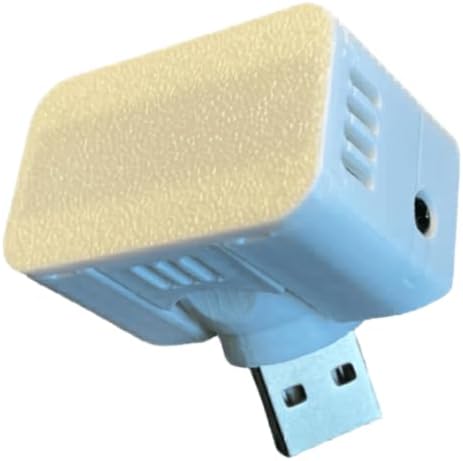
The Akamatis v1.3 is known for its high reliability and straightforward setup process. It is built specifically for Home Assistant users who want a direct Wi-Fi connection. The external antenna helps maintain a stable link even in larger homes.
We may earn a commission when you buy through this link, at no additional cost to you.
Its standout feature is the plug-and-play experience. You connect the device enter Wi-Fi credentials and start using it. There is no need for complex firmware flashing or third-party software. It simplifies the automation process significantly.
The USB-A connection means it must be placed near an outlet. This limits placement flexibility compared to battery-powered options. However the consistent power supply ensures it never misses a presence detection event.
This model is best for users who prioritize reliability over battery-free operation. It is a solid choice for main living areas where power is available. If you want consistent performance with minimal setup this is recommended.
No ESPHome setup needed with pre-flashed firmware for quick access.
All main components are FCC certified for compliance and reliability.
We may earn a commission when you buy through this link, at no additional cost to you.
This sensor offers advanced settings like adjustable sensitivity and reporting intervals. It works well with Tuya Zigbee networks and supports detailed luminance monitoring. This level of control helps fine-tune your automation to be more responsive.
We may earn a commission when you buy through this link, at no additional cost to you.
The ability to set data reporting intervals keeps your Zigbee network less noisy. This is helpful for large networks where many devices might cause congestion. The USB-C power ensures it stays on continuously without battery swaps.
The main drawback is the requirement for a Tuya Zigbee gateway for optimal performance. Users outside the Tuya ecosystem might find integration slightly more challenging. However for those who value customizable settings it offers good control.
Pick this if you want to tweak detection parameters beyond basic defaults. It suits advanced users who understand network management and want detailed control. It is a versatile option for complex smart home setups.
Set sensitivity from 1 to 9 and adjust detection ranges freely.
Supports setting data reporting intervals to keep Zigbee network less noisy.
We may earn a commission when you buy through this link, at no additional cost to you.
The meross MS600 brings Matter support to presence detection which ensures future interoperability. It combines radar PIR and light sensors to offer broad functionality. It works natively with HomeKit and Google Home without requiring a hub.
We may earn a commission when you buy through this link, at no additional cost to you.
Its pet-proof shield prevents false triggers from pets which is a common issue with motion sensors. The adjustable base allows you to pivot and rotate it for optimal coverage. This flexibility makes installation easy in corners or high spots.
The range is shorter than some 24GHz models so it is better for small to medium rooms. Also it requires a continuous power source which limits placement options. However the lack of hub requirement simplifies setup significantly.
This sensor is ideal for users in mixed ecosystems like HomeKit and Home Assistant. It provides a reliable bridge between platforms using the Matter standard. If you want broad compatibility without a bridge this is a strong pick.
Integrates seamlessly with multiple platforms through the Matter framework.
Includes a shield to prevent pets from triggering false motion alerts.
We may earn a commission when you buy through this link, at no additional cost to you.
Choosing the right presence sensor depends on your existing smart home ecosystem and specific needs. Consider how the device connects what it detects and how easy it is to set up.
The connection protocol determines how the sensor communicates with your hub. Wi-Fi sensors offer direct connection but may congest your network. Zigbee or Thread devices use mesh networks which are more stable and efficient for large setups.
Select a protocol that matches your existing hub. If you use Home Assistant directly Wi-Fi or Zigbee works best. For Apple users consider Matter over Thread for native compatibility.
Radar technology is key for detecting stationary presence. mmWave sensors like 24GHz can detect breathing and small movements. Microwave radar like 5.8GHz is cheaper but less precise for subtle motions.
For high accuracy in living rooms choose 24GHz mmWave. For simple motion detection in hallways cheaper radar may suffice. Higher precision means fewer false triggers.
Power sources range from batteries to continuous USB power. Battery sensors offer flexible placement but require replacements. Wired sensors ensure constant operation but need nearby outlets.
Choose battery for hard-to-reach spots. Choose wired for reliability in main areas. Ensure you have access to power before selecting a wired model.
Compatibility ensures the sensor works with your other smart devices. Some sensors work only with Home Assistant while others support multiple platforms like Alexa or Google Home.
Check the product requirements before buying. If you need Home Assistant integration ensure the product explicitly supports it to avoid compatibility issues.
Additional sensors like light temperature or humidity add value to your automations. A light sensor allows lighting rules based on brightness. Environmental sensors help control climate systems automatically.
Look for integrated sensors if you want multi-purpose automation. This reduces the need for multiple devices saving space and money in the long run.
Setup complexity varies from plug-and-play to technical configuration. Some devices come pre-flashed ready to connect. Others require firmware updates or third-party software.
Choose pre-configured devices if you want quick setup. Advanced users might prefer customizable firmware options for better control over features.
Some sensors allow you to configure detection zones. This means you can ignore areas like windows or hallways. It focuses detection on key spaces like sofas or desks.
Use zone detection in large rooms where you need precision. It prevents false triggers from movement in non-critical areas improving reliability.
Local control ensures your data stays on your network. Cloud-dependent devices may send data to external servers. Home Assistant users often prefer local-only options for privacy.
Verify that the device supports local processing. This ensures your data remains private and automations work offline.
Place the sensor in a central location with a clear view of the room. Avoid placing it directly facing heat sources or mirrors as this may cause false triggers.
If your sensor supports zones configure them to exclude areas where you do not need detection. For example ignore hallways to focus only on seating areas for better accuracy.
Keep the lens clean by wiping it gently with a dry cloth every few months. Dust buildup can affect radar signals so regular maintenance ensures consistent performance.
PIR sensors detect heat changes from moving objects while mmWave radar detects physical movement and even breathing. This means mmWave can detect stationary people while PIR often misses them.
It depends on the model. Zigbee sensors require a hub like Home Assistant or Echo. Wi-Fi models often connect directly to your network but may still need Home Assistant for advanced automation.
Yes most of these sensors support lighting automation. They can trigger lights on when you enter the room and off when you leave. Some also use light sensors to ensure lights only turn on when dark.
Most models have a range of about twenty feet. However effective range depends on your room layout and obstructions. Place the sensor high and central for best results.
Some sensors include pet-proof features like shields or software filters. However not all models ignore pets. Check the product details to see if pet immunity is supported.
Many models support Alexa and Google Home alongside Home Assistant. However some devices are designed exclusively for Home Assistant. Always check compatibility before purchasing.
We have reviewed the top models available in November 2026. Each device offers unique strengths depending on your setup preferences. From budget Zigbee options to premium Matter sensors there is a choice for everyone.
Prioritize features that match your specific needs such as integration or power source. If you value simplicity choose a plug-and-play device. For advanced users consider models with zone detection and multi-sensor capabilities.
Remember that prices and availability change regularly. Always check current product details before making your final decision. This ensures you get the best value for your smart home investment.