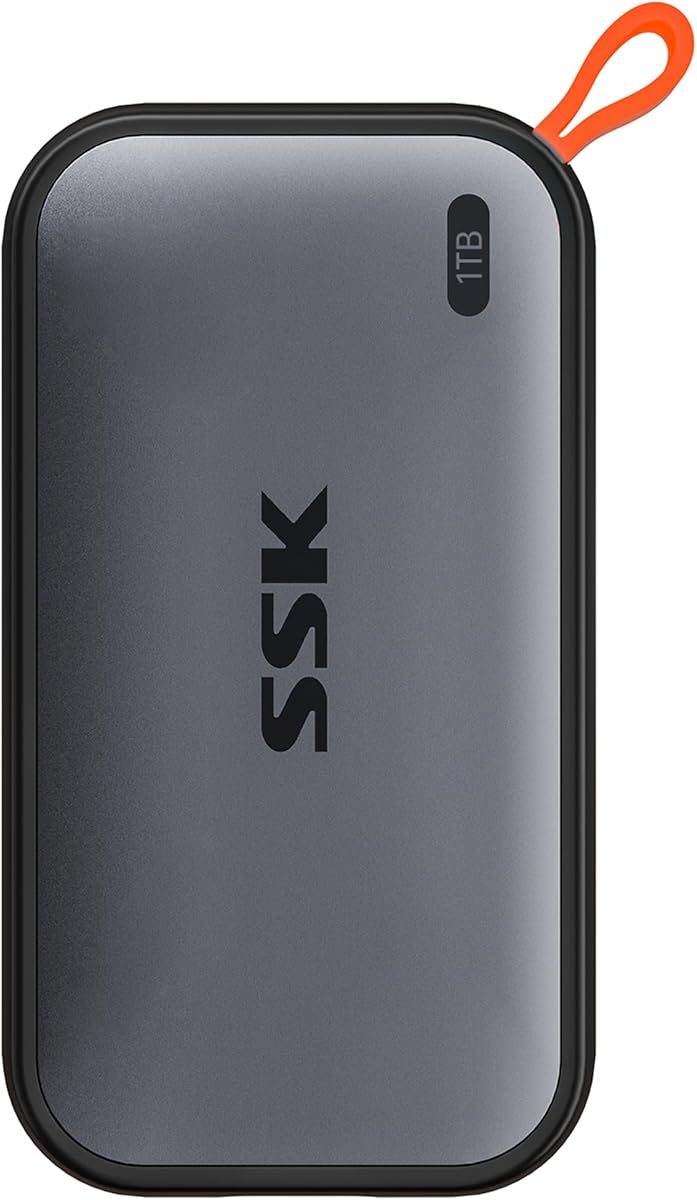
SSK Portable SSD 1TB External Solid State Hard Drive
4.5Editor score
Affordable 1TB capacity
Lightweight aluminum case
USB-C and USB-A cables
Explore the top external SSDs for Linux users. This guide compares speed, durability, and compatibility to help you choose the right portable storage.
Linux users require reliable storage solutions that integrate seamlessly with open-source environments. An external SSD offers the speed and durability needed for modern workflows. Choosing the right drive ensures compatibility with various file systems and distributions.
We evaluated ten leading portable SSDs based on performance, build quality, and Linux support. Our analysis focuses on transfer speeds, connectivity options, and encryption features. This list highlights drives that excel in real-world scenarios for developers and creatives.
Each pick details key specifications and potential limitations for Linux integration. We explain why certain models stand out for specific use cases like video editing or data backup. Prices fluctuate frequently, so check current listings before purchasing your drive.
4.5Editor score

4.7Editor score
4.6Editor score
This side-by-side comparison highlights the key specifications and features of each drive. We focus on speed, capacity, and durability to help you find the perfect match for your Linux system.




The Samsung T7 Portable SSD stands out as the top choice for Linux users seeking balance between performance and portability. With a 4.7-star rating, it delivers reliable NVMe speeds and a rugged build. This drive is ideal for daily backups and creative work.
We may earn a commission when you buy through this link, at no additional cost to you.
Its PCIe NVMe technology enables read speeds up to 1050MB/s, making it nearly twice as fast as older models. The aluminum unibody construction resists drops up to six feet, ensuring data safety during travel. Linux users appreciate its plug-and-play compatibility across distributions.
While the included Magician software is primarily for Windows and macOS, the drive itself mounts natively on Linux without extra drivers. Users may find the proprietary tools less useful but can rely on standard Linux utilities for drive health and encryption. This trade-off is acceptable for most.
Developers and content creators who need fast, reliable storage should prioritize this model. Its consistent performance and durability make it a trustworthy companion for Linux environments. We recommend it as the best overall external SSD for most users.
Transfer large files instantly with sustained high speeds perfect for Linux workflows.
The shock-resistant metal casing protects your data from drops and daily wear.
We may earn a commission when you buy through this link, at no additional cost to you.
The SSK Portable SSD offers exceptional value for Linux users on a budget. It provides high-speed NVMe performance at a fraction of the cost of premium brands. With a 4.5-star rating, it is a reliable choice for general storage needs.
We may earn a commission when you buy through this link, at no additional cost to you.
This drive supports read speeds up to 1050MB/s and write speeds up to 1000MB/s. The aluminum alloy case helps dissipate heat effectively, ensuring stable performance during long transfers. It includes both USB-C and USB-A cables for maximum connectivity.
While it lacks advanced software features, the drive works seamlessly with Linux file systems. Users should note that capacity may appear lower on Windows due to binary calculation differences. This is standard behavior and does not affect actual storage usability on Linux.
Budget-conscious buyers looking for speed and reliability will find this model appealing. It is perfect for students or hobbyists who need portable storage without breaking the bank. We recommend it as the best budget option for Linux users.
Enjoy high performance without the premium price tag associated with top brands.
Connect to older USB-A ports or modern USB-C ports with included cables.
We may earn a commission when you buy through this link, at no additional cost to you.
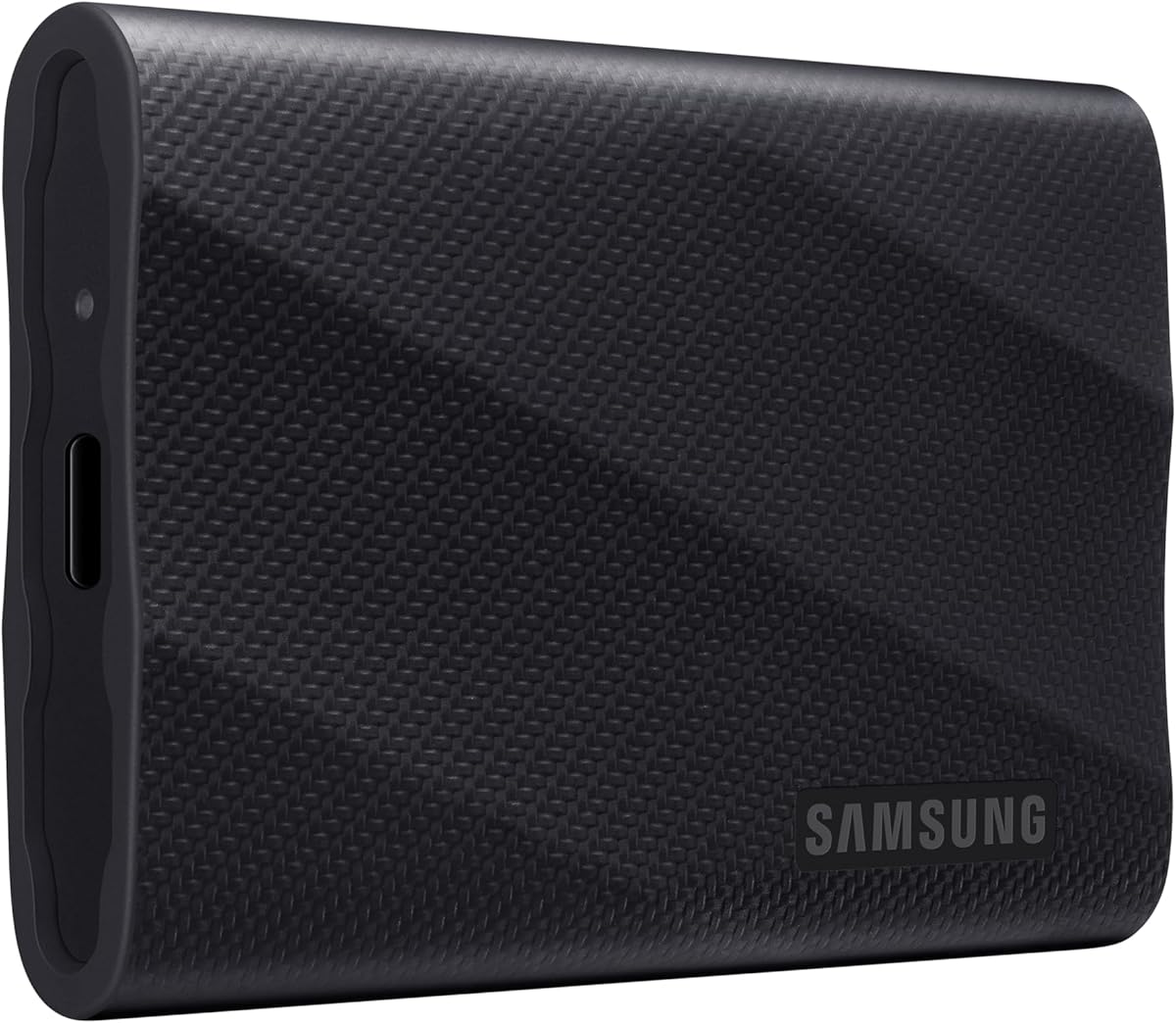
The Samsung T9 Portable SSD sets a new standard for speed and performance in portable storage. Designed for creators, it delivers sustained read and write speeds up to 2000MB/s. This makes it ideal for handling massive datasets on Linux machines.
We may earn a commission when you buy through this link, at no additional cost to you.
Its Dynamic Thermal Guard technology prevents overheating during intensive tasks. This ensures consistent performance even during long file transfers or video editing sessions. The sleek design and reliable connectivity make it a top-tier option for professionals.
To achieve maximum speeds, you need a host with USB 3.2 Gen 2×2 support. Older systems will still work but at lower speeds. The included Magician software is Windows and macOS focused but Linux users can manage the drive via standard tools.
Professionals who demand top-tier performance should consider this premium drive. Its speed and thermal management make it the best choice for demanding Linux workloads. We recommend it as the best premium external SSD for creators.
Experience blazing fast transfers with up to 2000MB/s read and write speeds.
Advanced cooling ensures consistent performance even during heavy use cycles.
We may earn a commission when you buy through this link, at no additional cost to you.
The Sandisk 2TB Extreme Portable SSD is built for rugged environments. It offers an IP65 rating against water and dust, making it perfect for fieldwork on Linux systems. With 2TB of storage, it handles large datasets effortlessly.
We may earn a commission when you buy through this link, at no additional cost to you.
Its NVMe performance delivers read speeds up to 1050MB/s. The included carabiner loop allows secure attachment to bags or belts. Password protection with 256-bit AES encryption keeps sensitive data secure from unauthorized access.
While slightly heavier due to its rugged casing, this drive offers peace of mind in challenging conditions. Linux users should note that firmware updates may require specific tools. However, the drive itself mounts natively for daily use.
Outdoor professionals and field researchers will benefit most from this durable drive. Its combination of capacity and protection makes it a unique choice for Linux users. We recommend it for those needing robust storage.
IP65 protection ensures your data survives dust and water exposure.
Hardware encryption keeps sensitive files safe on any Linux machine.
We may earn a commission when you buy through this link, at no additional cost to you.
The Lexar ES3 1TB Portable SSD combines style with performance. Its thin 10.5mm design fits easily into pockets. Linux users appreciate the reliable NVMe speeds and broad compatibility with various devices.
We may earn a commission when you buy through this link, at no additional cost to you.
This drive supports read speeds up to 1050MB/s for efficient file transfers. The Lexar DataShield software provides 256-bit AES encryption to protect your files. It is compatible with Android, Mac, and PC environments.
While it may not offer the durability of rugged models, it provides adequate protection for daily use. The lack of a physical cable in some packages might be an inconvenience. Users should verify contents before purchasing.
Design-conscious users who prioritize portability will find this drive appealing. Its fast speeds and encryption features meet essential security needs on Linux. We recommend it for general storage and travel.
This portable drive fits in your pocket without weighing down your bag.
Encryption software secures your files from unauthorized access effectively.
We may earn a commission when you buy through this link, at no additional cost to you.
The Samsung T7 Shield offers a robust solution for demanding Linux workflows. With an IP65 rating, it resists water and dust effectively. Its drop resistance up to 9.8 feet ensures safety during rough handling.
We may earn a commission when you buy through this link, at no additional cost to you.
It delivers read speeds up to 1050MB/s, matching the standard T7 performance. The 2TB capacity is ideal for storing large video projects or datasets. Samsung Magician software allows drive health monitoring on supported systems.
Linux users may need third-party tools for firmware updates but daily access is seamless. The drive mounts automatically and functions reliably across various distributions. It balances durability with high performance well.
Those who need extra storage capacity and ruggedness should consider this shield. It is perfect for outdoor work or heavy daily use on Linux systems. We recommend it as a durable storage option.
IP65 protection and high drop resistance make it suitable for tough environments.
Store large projects and datasets with the ample 2TB capacity available.
We may earn a commission when you buy through this link, at no additional cost to you.
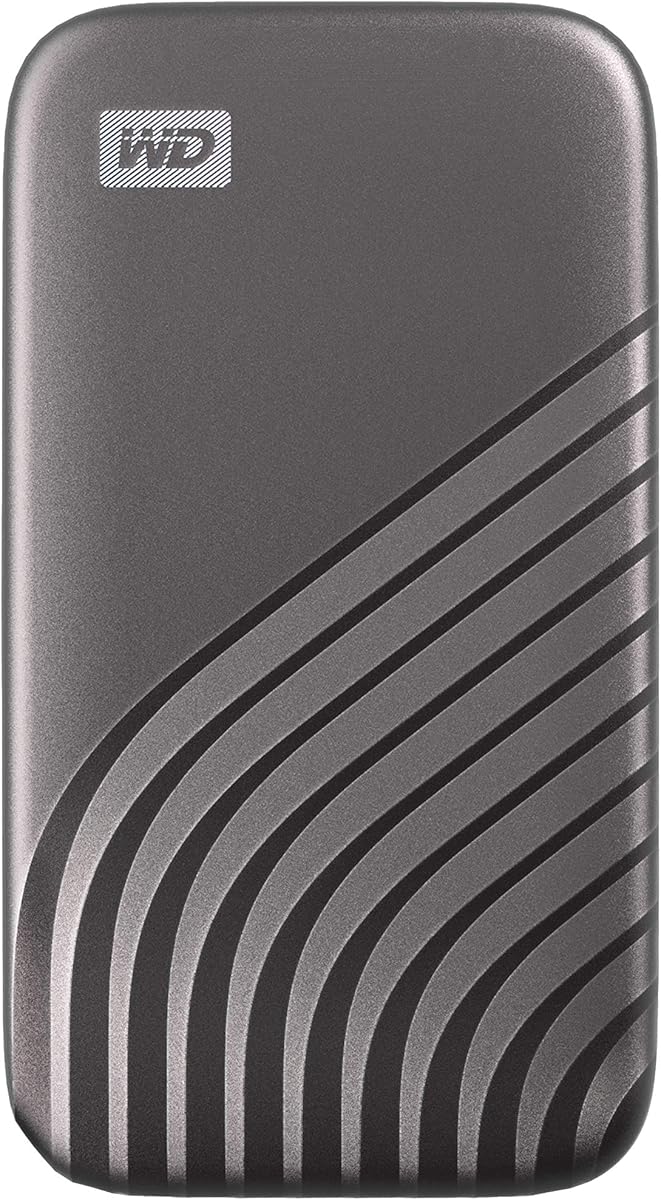
The Western Digital My Passport SSD focuses on security and speed. It features 256-bit AES hardware encryption with password protection. This ensures your sensitive Linux data remains private across all systems.
We may earn a commission when you buy through this link, at no additional cost to you.
Transfer speeds reach up to 1050MB/s for efficient file management. The drive is shock and vibration resistant up to 6.5 feet. This makes it reliable for travel or daily commuting on Linux laptops.
Users may find the backup software Windows-centric but hardware encryption works at the drive level on Linux. Mounting is straightforward with no extra drivers required. The gray aluminum body offers a professional look.
Security-focused users and professionals should consider this model. Its combination of encryption and speed makes it a trustworthy storage solution. We recommend it for protecting sensitive Linux data.
Hardware encryption ensures your files are protected from unauthorized access.
Lightweight design ensures you can carry it anywhere without slowing down.
We may earn a commission when you buy through this link, at no additional cost to you.
The Samsung T5 Portable SSD offers a classic choice for Linux storage needs. With 2TB capacity and a solid metal design, it provides reliable storage. It has a high 4.8-star rating indicating strong user satisfaction.
We may earn a commission when you buy through this link, at no additional cost to you.
While its max speed of 540MB/s is lower than newer models, it remains fast for most tasks. The aluminum unibody chassis dissipates heat well during use. Linux users benefit from its broad compatibility.
It may not match the latest speeds but provides excellent stability. Password protection and encryption keep data secure without relying on software. This drives it a practical choice for older systems.
Users seeking reliable high-capacity storage on a budget should consider this model. Its proven track record makes it a safe option for Linux environments. We recommend it for general daily storage.
The classic design and high capacity make this a dependable storage solution.
Consistent speeds ensure your daily tasks are completed efficiently.
We may earn a commission when you buy through this link, at no additional cost to you.
The Samsung T7 500GB Portable SSD is designed for speed and portability. It offers the same fast speeds as the 1TB version in a smaller footprint. Linux users value its reliability and ease of use.
We may earn a commission when you buy through this link, at no additional cost to you.
Read speeds reach 1050MB/s, ensuring quick file transfers. The Dynamic Thermal Guard prevents overheating during extended use. Its shock resistance up to 6 feet adds peace of mind during travel.
This model is ideal for students or travelers needing quick access to files. While it lacks built-in encryption software, standard Linux tools provide security. The red color makes it easy to identify among cables.
Users prioritizing speed and size over capacity should choose this drive. It fits perfectly in a pocket while delivering high performance on Linux. We recommend it for mobile professionals.
This drive fits easily in your pocket while delivering fast NVMe speeds.
Built-in technology prevents overheating during long data transfer sessions.
We may earn a commission when you buy through this link, at no additional cost to you.
The Samsung T5 500GB Portable SSD offers a simple affordable storage solution. It is a great entry point for Linux users needing extra space. Its high rating reflects reliable performance and build quality.
We may earn a commission when you buy through this link, at no additional cost to you.
With speeds up to 540MB/s, it handles everyday file transfers smoothly. The metal design is shock resistant and durable. It works seamlessly with Linux without requiring extra drivers or software.
While not the fastest option available, it provides excellent value for budget users. It is perfect for document storage or backup tasks. The blue color helps it stand out in your bag.
Students and casual users seeking cost-effective storage should consider this model. It meets basic needs well while offering solid build quality. We recommend it as an affordable Linux SSD.
This drive offers a budget-friendly option without sacrificing reliability.
The metal casing provides protection against drops and daily wear.
We may earn a commission when you buy through this link, at no additional cost to you.
Choosing the right external SSD for Linux involves evaluating several technical factors. Here we break down the essential features you should consider before buying.
Ensure your drive supports USB 3.2 Gen 2 or higher for maximum speed. Linux systems generally support USB-C and USB-A without extra drivers. Check your laptop's ports to decide between USB-C or USB-A cables.
USB-C offers reversible connection and faster data rates. Always verify cable compatibility before purchase.
Choose capacity based on your file size needs. Developers working with large datasets may require 2TB. Students may find 500GB sufficient for documents and code.
Remember that formatted capacity may differ from advertised size. Always plan for extra space.
Read and write speeds impact workflow efficiency. Look for NVMe drives offering 1000MB/s or more. Avoid slower SATA-based SSDs if performance is critical.
Speeds may vary depending on host hardware. Check system specs for maximum support.
Field users need drives with IP ratings for water and dust resistance. Shock protection prevents data loss from accidental drops. Rugged models often weigh more but offer better safety.
Check drop resistance ratings before buying. Metal bodies dissipate heat better.
Hardware encryption with AES ensures data safety. Password protection adds a layer of security. Linux users can use standard tools like LUKS for software encryption.
Verify that drive encryption works without proprietary software. Security is vital for sensitive data.
Most modern SSDs work out of the box on Linux. Avoid drives that require specific OS drivers. Verify that the drive mounts correctly after formatting.
File system formatting affects compatibility. ExFAT or ext4 are safe choices for Linux.
Price varies based on speed and capacity. Budget models offer decent performance for basic use. Premium models cost more but provide faster speeds.
Consider your needs when deciding on cost. Balance speed with your budget constraints.
Look for a warranty of at least three years. Manufacturer support should be accessible. Check if firmware updates are available.
Good warranties protect your investment. Keep purchase receipts for future claims.
Connect your SSD using the provided cable and wait for the system to mount it. Linux usually auto-mounts external drives to the filesystem.
Always eject the drive properly before disconnecting to prevent data loss. Use the file manager or terminal commands to safely remove.
Store the drive in a cool, dry place to maintain performance. Avoid extreme temperatures or direct sunlight during storage.
Yes, most external SSDs work natively with Linux without extra drivers. You simply plug them in and access the files. Formatting may be required for compatibility.
Ext4 is best for Linux-only use. For cross-platform compatibility between Windows and macOS use ExFAT. Avoid NTFS if possible due to potential permission issues.
Hardware encryption usually works on Linux as long as the drive mounts. However, proprietary software for password protection may not run natively. You can use Linux tools for encryption.
Use Linux tools like smartmontools to check drive health via SMART data. Most SSDs support these commands without extra software. This helps predict failures early.
Manufacturers use decimal counting while operating systems use binary counting. This leads to a visible capacity difference. It does not affect actual storage usage on Linux.
Yes, portable SSDs work perfectly with Linux laptops via USB. Ensure your USB ports support the drive speed for best performance. No additional installation is needed.
SSDs may slow down if nearly full. Use TRIM commands to maintain performance on Linux. Regular formatting helps keep speeds consistent over time.
Modern SSDs are rated for many years of use. Avoid extreme temperatures to maximize lifespan. Regular backups ensure data safety regardless of drive age.
We recommend the Samsung T7 for balanced performance and the SSK SSD for budget needs. Premium users may prefer the Samsung T9 for its exceptional speeds.
Prioritize connectivity and durability based on your specific Linux environment. Always verify compatibility with your system before purchasing.
Prices fluctuate frequently so check current listings for the best deals. Choose a model that fits your storage requirements and budget comfortably.