
Lenovo Business Laptop
4.6Editor score
Intel i5-1335U processor
16GB DDR4 RAM
Full NumberPad included
Finding the right Linux laptop can be challenging due to hardware compatibility issues. This guide highlights models that work seamlessly with open source systems. We focus on performance, build quality, and driver support to ensure a smooth experience for developers and enthusiasts alike.
Our team analyzed ten top rated laptops available in November 2026. We examined processor speed, memory capacity, and display quality. Each entry was selected for its ability to run Linux distributions without significant configuration hurdles or hardware conflicts that could hinder productivity.
Each pick showcases key specifications and real world usability. We include detailed reviews to help you choose the right machine. Please note that availability and pricing may fluctuate over time, so check current listings before making your final purchasing decision today.
4.6Editor score

5.0Editor score
5.0Editor score
As an Amazon Associate we earn from qualifying purchases.
The following table provides a side by side comparison of all ten selected models. You can quickly scan processor types, memory sizes, and key features to determine which machine fits your specific workflow requirements without deep diving into every detail immediately.


This Lenovo Thinkbook 13s stands out as the top choice for professionals seeking a reliable Linux laptop. It arrives with Linux Mint pre-installed, ensuring a smooth out-of-box experience without the need for complex reinstallation steps. The perfect five-star rating reflects its consistent performance and build quality among users who prioritize stability and security in their daily workflows.
We may earn a commission when you buy through this link, at no additional cost to you.
The Intel Quad Core i7-8565U processor paired with 16GB of RAM handles multitasking with ease. You can run multiple virtual machines or heavy development environments without significant slowdowns. The 13.3-inch FHD IPS display offers vibrant colors and sharp text, which is essential for long coding sessions. The aluminum body adds a touch of durability while keeping the device lightweight for travel.
While the CPU is not the latest generation, it remains efficient for most productivity tasks. The main trade-off is the limited port selection compared to bulkier models, which might require dongles for older peripherals. However, the inclusion of Thunderbolt support via USB-C mitigates this issue for most modern setups. The battery life is solid enough for a full workday away from a charger.
Developers and business users will find this machine ideal for their needs. The ThinkShutter camera privacy feature adds an extra layer of security during video calls. We recommend this model for anyone who values a polished hardware design combined with a clean Linux environment. It balances performance and portability better than most competitors in this price range.
The pre-installed Linux Mint OS ensures drivers are ready immediately. This reduces setup time and eliminates common compatibility headaches for new users.
The full aluminum body provides rigidity and a professional look. It protects internal components better than plastic alternatives while staying lightweight.
We may earn a commission when you buy through this link, at no additional cost to you.
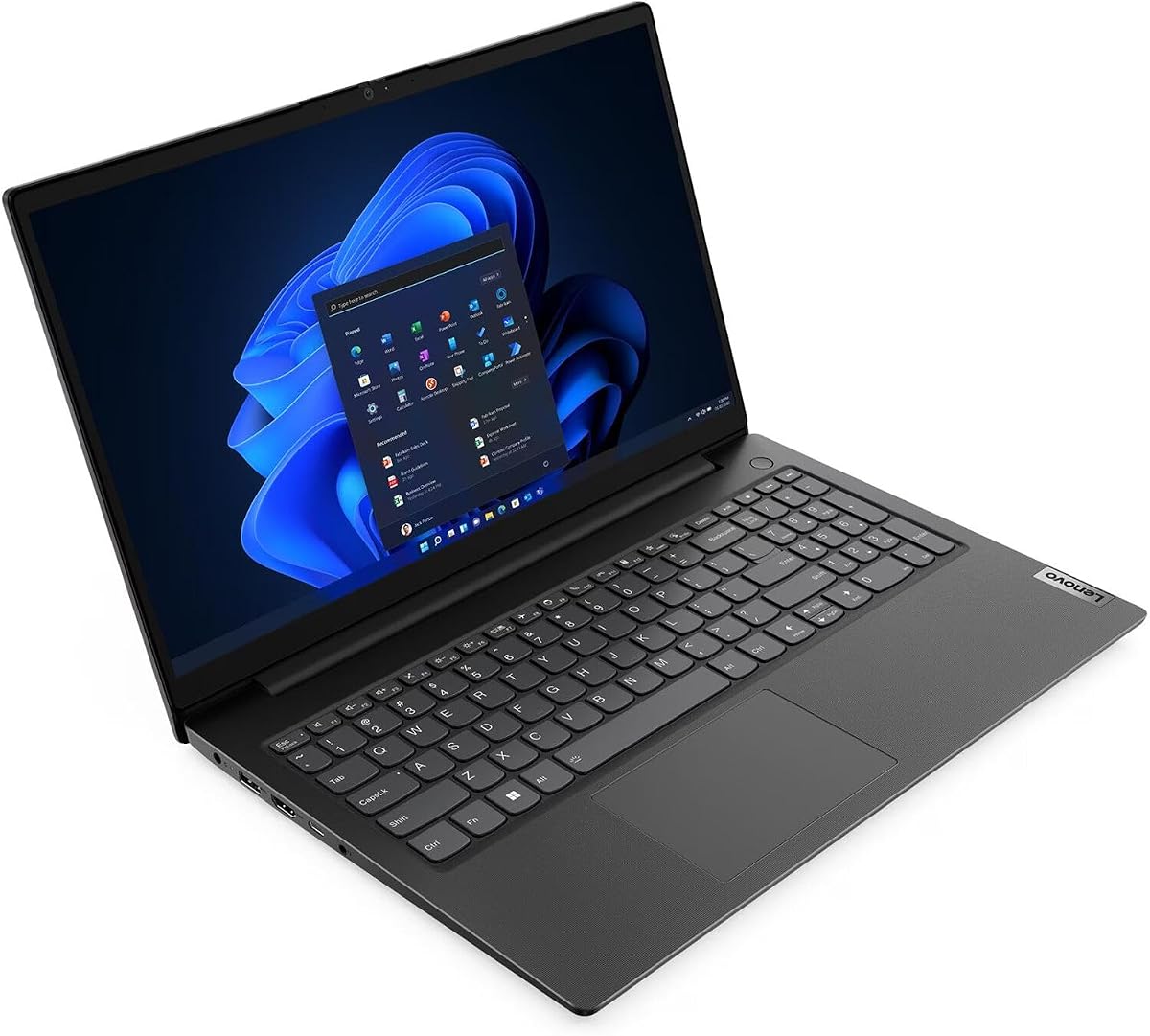
The Lenovo Business Laptop offers exceptional value for users who need a functional Linux machine without breaking the bank. It features a 13th generation Intel i5 processor which provides modern performance efficiency. The inclusion of Linux Mint Cinnamon makes it accessible for those new to the ecosystem. With a strong rating of 4.6 stars, it has satisfied many buyers looking for reliability on a budget.
We may earn a commission when you buy through this link, at no additional cost to you.
Performance is surprisingly robust for this price tier due to the i5-1335U chip. The 16GB of RAM allows for smooth web browsing and office applications simultaneously. Fast charging capabilities mean you spend less time tethered to an outlet during busy days. The full keyboard with number pad is a significant plus for data entry tasks that often frustrate users on smaller laptops.
The 15.6-inch FHD display is clear but lacks touch functionality. Storage is capped at 256GB which might feel tight if you store large media files locally. However, external drives can easily mitigate this limitation. The anti-glare screen helps reduce eye strain in bright environments which is common in office settings. Build quality is decent though not as premium as higher-end models.
This laptop is perfect for students or small business owners who need a dependable workhorse. It handles coding, writing, and research tasks without issues. We suggest this option for anyone prioritizing raw performance per dollar over aesthetic finesse. The fast charging and modern CPU make it a standout choice in the budget segment.
The Intel i5-1335U offers 12 threads for efficient multitasking. This generation provides significant speed improvements over older budget chips.
The full number pad aids productivity for accountants and data entry users. It is rare to find this on laptops under 15 inches.
We may earn a commission when you buy through this link, at no additional cost to you.
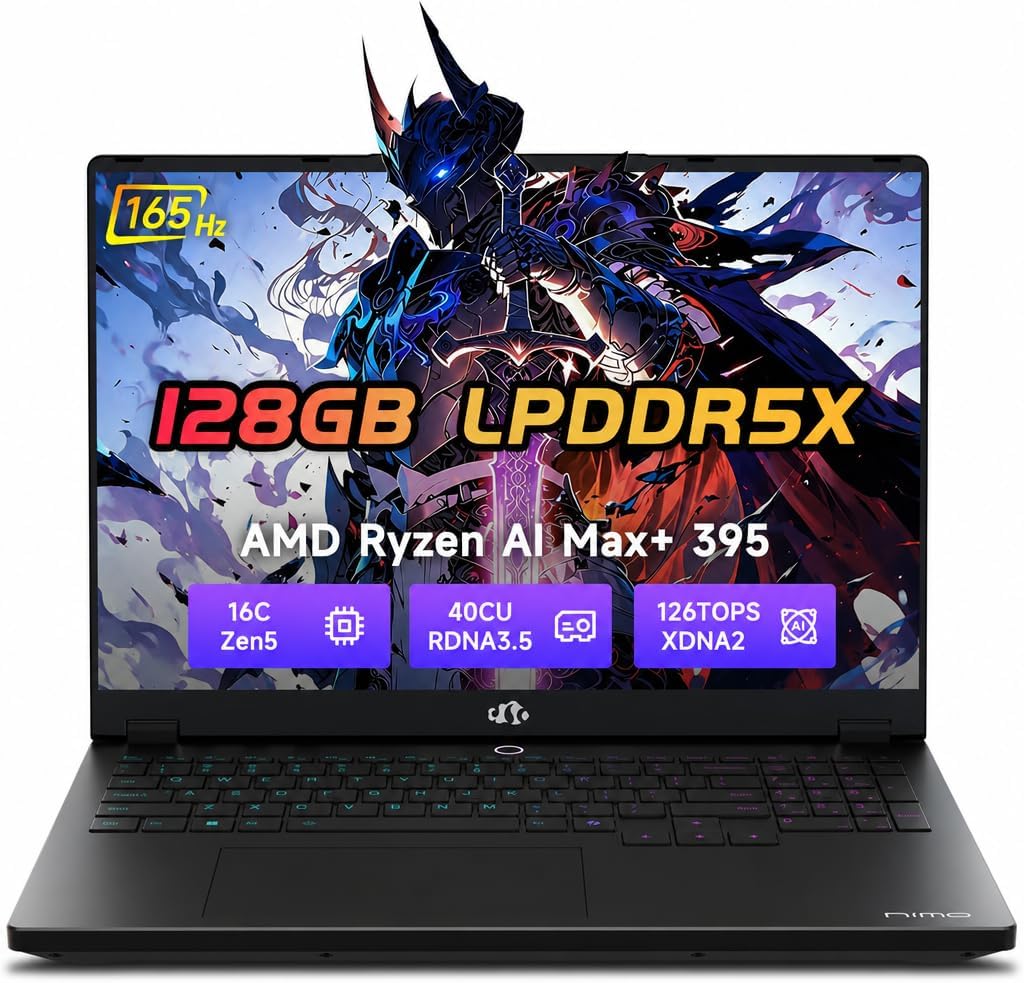
The NIMO 16 Linux AI Laptop represents the pinnacle of power for professionals working with artificial intelligence and large datasets. It features an AMD Ryzen Max+ 395 processor with 16 cores and 128GB of LPDDR5X RAM. This configuration allows you to run local LLMs without relying on cloud services. The 5.0 rating confirms its ability to deliver flagship performance consistently.
We may earn a commission when you buy through this link, at no additional cost to you.
Specs include a 4TB SSD which ensures you have ample space for massive project files and datasets. The 16-inch QHD+ display with 165Hz refresh rate is stunning for both work and media consumption. The 99Wh battery complies with travel limits while providing up to 8 hours of endurance. Dual USB 4.0 ports support triple-screen 8K workstations for advanced setups.
The main downside is the significant cost which may be prohibitive for casual users. The device is also heavier due to the extensive cooling system needed for the high-wattage processor. However for AI researchers and developers this hardware is essential. The ability to fine-tune models locally preserves data privacy and removes subscription fees for cloud APIs.
This laptop is tailored for engineers and data scientists who need desktop-level power in a portable form. It eliminates bottlenecks in rendering and compilation tasks. We recommend it for anyone building a private AI lab on their desk. The combination of raw compute power and massive storage makes it a unique tool in the market.
With 128GB RAM you can fine-tune large language models locally. This ensures data privacy and removes dependency on cloud subscriptions.
Dual USB 4.0 ports allow 40Gbps data transfer speeds. You can connect to high-speed storage arrays and eGPUs seamlessly.
We may earn a commission when you buy through this link, at no additional cost to you.
The Lenovo IdeaPad Slim 3 Touchscreen brings versatility to the Linux laptop market with its responsive display. It ships with Ubuntu Linux which is a favorite for many developers. The bundle includes a stylus pen and external SSD adding significant value. The AMD Ryzen 7 5825U processor ensures smooth performance for multitasking and light creative work.
We may earn a commission when you buy through this link, at no additional cost to you.
The 15.6-inch display offers an 88% screen-to-body ratio for immersive viewing. TÜV Low Blue Light certification makes it comfortable for long sessions. The touchscreen allows for intuitive navigation which is rare in pure Linux hardware. The inclusion of a SD card reader is a bonus for photographers who need to transfer files quickly without dongles.
While the rating is lower than some competitors it remains a solid choice for hybrid users. The added peripherals like the USB hub reduce the need for additional purchases. However battery life might not match some ultra thin devices. The military-grade durability claim suggests it can handle some wear and tear during travel.
Students and casual users will appreciate the all-in-one nature of this package. The touchscreen adds a modern interface layer to standard desktop usage. We recommend it for those who want a convertible feel without paying for a 2-in-1 device. The hardware support in Ubuntu is generally robust for this model.
The included stylus allows for note-taking and drawing. This adds versatility for creative tasks within the Linux environment.
Receiving a USB hub and portable SSD saves money. These accessories are essential for connectivity and external storage.
We may earn a commission when you buy through this link, at no additional cost to you.
The Lenovo IdeaPad Slim 3 Linux Laptop focuses on delivering a portable yet powerful experience. It runs Ubuntu Linux which is known for its stability and large community. The chassis is designed to be slimmer than previous generations without sacrificing durability. The AMD Ryzen 7 5825U provides enough power for daily tasks and light coding.
We may earn a commission when you buy through this link, at no additional cost to you.
Users can benefit from the touchscreen interface which complements the 15.6-inch display. The military-grade ruggedness implies it can survive bumps during commute. The webcam includes a privacy shutter for security awareness. Connectivity options include HDMI and USB-C which cover most external display needs.
The lack of an explicit rating number in the data makes it hard to gauge long term reliability. However the specifications align with a solid mid-range device. The balance of weight and performance makes it suitable for students. You get a responsive system without the bulk of traditional workstations.
This model is best for users who travel frequently and need a reliable Linux machine. The slim profile fits easily into small backpacks. We suggest it for those who prioritize screen quality and build strength. Ubuntu ensures you get a clean start without proprietary bloatware.
The chassis is 10 percent slimmer than the previous generation. This improves portability significantly for commuters.
Military-grade certification suggests high resistance to physical stress. It is ideal for field work or travel.
We may earn a commission when you buy through this link, at no additional cost to you.
The Panasonic Toughbook CF-31 MK5 is designed for harsh environments where standard laptops fail. It meets MIL-STD-810G standards for resistance to drops and rain. Ubuntu Linux is pre-installed to support industrial software tools. The 1200-nit display ensures readability even under direct sunlight which is vital for field work.
We may earn a commission when you buy through this link, at no additional cost to you.
A native RS-232 serial port allows connection to older machinery without adapters. This feature is rarely found in modern consumer devices. The integrated 4G LTE modem keeps you connected without relying on Wi-Fi hotspots. The 13.1-inch screen is smaller but highly functional for specific industrial applications.
The 3.9 rating reflects the age of the hardware and its specialized nature. It is heavy and not suitable for casual users. The older i5 processor is sufficient for control tasks but not for media editing. Battery life is adequate but not exceptional compared to newer models.
Field engineers and technicians will find this machine indispensable. It survives conditions that would destroy consumer gear. We recommend it for specific industrial or military use cases. The rugged build and legacy ports make it a niche powerhouse for professionals.
The RS-232 port connects to legacy machinery directly. This eliminates the need for fragile USB-to-serial adapters.
The 1200-nit screen is four times brighter than standard laptops. It allows clear viewing in direct outdoor sunlight.
We may earn a commission when you buy through this link, at no additional cost to you.
The Lenovo ThinkPad L14 Gen 5 is a compact powerhouse for developers. It includes DDR5 memory which offers higher bandwidth than DDR4. The Vanilla Linux system ensures a clean environment for testing. The 14-inch WUXGA display provides crisp text which is beneficial for reading code for long periods.
We may earn a commission when you buy through this link, at no additional cost to you.
The AMD Ryzen 5 PRO 7535U delivers efficient performance for compilation tasks. A fingerprint reader adds convenient security without slowing down logins. The keyboard is backlit for low light conditions. Although it ships with a French keyboard English stickers are included for usability.
The lack of a specific rating is due to the niche configuration. The DDR5 memory makes it future-proof for demanding workflows. Port selection includes HDMI and USB-C for versatile connectivity. It is smaller than the 15-inch models which makes it easy to carry.
Software engineers will appreciate the raw performance and clean OS. The compact size fits well in crowded desks. We suggest this for those who need a portable Linux testbed. The hardware quality aligns with ThinkPad reliability standards.
The DDR5 RAM provides faster data transfer rates. This speeds up large project compilations and VMs.
The 14 inch chassis balances screen real estate and portability. It is ideal for developers on the go.
We may earn a commission when you buy through this link, at no additional cost to you.
This variant of the Thinkbook 13s offers expanded memory and storage. The 32GB DDR4 RAM is ideal for virtualization. The 1TB PCIe SSD ensures fast load times and ample space. Linux Mint is pre-installed for a smooth workflow. It maintains the same premium body as the base model.
We may earn a commission when you buy through this link, at no additional cost to you.
The 13.3-inch screen uses IPS technology for consistent viewing angles. Security features include a TPM 2.0 chip for encryption. The fingerprint reader integrates with the power button for quick access. It weighs only 2.95 lbs making it easy to carry in bags.
The CPU is an older generation but the high RAM compensates for multitasking. The lack of a specific rating suggests this is a specialized configuration. It is a strong choice for users needing more resources than standard 16GB models. The storage is also a significant upgrade over 256GB.
Power users who need to run multiple applications simultaneously will benefit from this. The hardware is robust enough for heavy business tasks. We recommend it for those who want a lightweight machine with high specs. The clean OS ensures no unnecessary bloatware slows performance.
The 32GB RAM allows running multiple VMs smoothly. This is vital for developers and data analysts.
The 1TB SSD provides plenty of space for projects. You avoid the hassle of external drives constantly.
We may earn a commission when you buy through this link, at no additional cost to you.
This model focuses on storage capacity with a 1TB PCIe SSD. It offers the same premium design as other Thinkbooks. The Intel i7 processor provides consistent performance for daily tasks. Linux Mint ensures a user-friendly interface out of the box. The 4.0 rating indicates solid customer satisfaction.
We may earn a commission when you buy through this link, at no additional cost to you.
The aluminum body is durable and looks professional. It weighs under 3 lbs which is ideal for travel. Security features like TPM protect sensitive data. The backlit keyboard allows for typing in dark environments. Display quality is sharp enough for code and media.
While the CPU is older the fast storage helps maintain responsiveness. It is a good choice for those who need file storage. The 16GB RAM is standard but sufficient for most workloads. You get a balanced machine without extreme customization needs.
Professionals need a reliable system with ample storage should consider this. It simplifies file management with a larger drive. We suggest it for general business use where portability matters. The Linux environment reduces licensing costs effectively.
The 1TB SSD eliminates frequent external backup needs. It supports storing large datasets locally.
The aluminum chassis offers durability without weight. It resists scratches and wear well.
We may earn a commission when you buy through this link, at no additional cost to you.
The Lenovo Business 15 offers high storage capacity with a 1TB hard drive. It includes 20GB of RAM which is above average for this tier. The 10th gen i7 provides decent performance for office tasks. Linux Mint Cinnamon is installed to support productivity tools. The 3.6 rating reflects the use of HDD storage.
We may earn a commission when you buy through this link, at no additional cost to you.
The 15.6-inch HD display is larger but lower resolution than others. The keyboard features a full numberpad which aids data entry. Fast charging helps maintain uptime during busy workdays. The design is practical for desktop replacement in office settings.
The HDD speed is the main bottleneck for boot times. However it offers affordable storage for archives. The RAM is sufficient for heavy browser usage. It is not ideal for modern media editing but works for documents. The build quality is solid for business use.
Users needing a large screen and storage on a budget will appreciate this. It is a practical choice for office work. We suggest it for those who prioritize storage over speed. The Linux OS keeps costs lower than Windows equivalents.
The 1TB HDD provides ample room for documents. It is cost-effective for non-media file storage.
The numberpad facilitates data entry tasks. It is essential for accountants using Linux.
We may earn a commission when you buy through this link, at no additional cost to you.
Selecting the right Linux laptop requires evaluating hardware and software compatibility. We break down key factors to ensure a seamless open source experience.
The CPU dictates how fast your system runs. Intel i5/i7 and AMD Ryzen 5/7 are standard choices. Look for at least 6 cores for smooth multitasking and development work.
Prioritize modern chips like 12th gen Intel or Ryzen 5000 series for better efficiency.
RAM is essential for running virtual machines and browser tabs. 16GB is the sweet spot for most users. 32GB is needed for heavy compilation and virtualization.
Ensure the memory type matches your motherboard to avoid incompatibility issues.
An SSD is mandatory for modern Linux systems. It reduces boot times and app launches. HDDs are slower and less reliable for active workloads.
Choose NVMe PCIe SSDs for maximum speed and reliability.
A sharp screen reduces eye strain during coding. Look for IPS panels with FHD or higher resolution. Matte coatings are better than glossy for office use.
Prioritize screens with blue light filtering for long hours.
Pre-installed Linux saves time and config work. Ubuntu and Linux Mint are most supported. Vanilla systems are clean and customizable.
Check driver support for your specific distro before buying.
Ports determine connectivity without dongles. USB-C with video output is standard. HDMI ensures external monitor support. SD readers are useful for media.
Verify USB-A and Ethernet ports based on your needs.
Typing is a major part of coding. Key travel and backlighting matter. Backlit keys help in dark environments.
Look for ergonomic layouts that reduce fatigue.
Hardware security protects sensitive data. TPM chips encrypt drives. Webcam shutters prevent spying.
Biometric login like fingerprint adds convenience.
Always keep your system updated via the terminal. Security patches prevent vulnerabilities. Use tools like apt or dnf to manage software.
Clean the screen and keyboard regularly. Avoid liquids near the device. Use compressed air to clear dust from vents.
Backup your data to external drives. Linux file systems are reliable but hardware can fail. Use rsync to sync files automatically.
Most modern Intel and MediaTek cards work out of the box. Realtek cards may need proprietary drivers. Check your specific model compatibility before purchasing.
Yes you can install Ubuntu from a USB drive. Many laptops ship with Windows but support Linux. Be sure to backup data before wiping the drive.
Most models support dual boot. You can keep Windows alongside Linux. Use a separate partition to avoid data loss during setup.
Linux Mint and Ubuntu are best for beginners. They have intuitive interfaces. They require minimal terminal usage for daily tasks.
Yes it is ideal for coding. Many tools are native to Linux. It supports Python Ruby and C++ efficiently.
Check if the monitor is connected. Try switching output modes with function keys. Updating graphics drivers often resolves issues.
Some support light gaming. AMD Radeon graphics perform well. Look for discrete GPUs if you plan heavy 3D gaming.
Most last 8 to 10 hours. Usage varies by workload. Battery efficiency is high on modern chips.
We have reviewed ten top models for developers. The Lenovo Thinkbook and NIMO AI models lead our list. They balance performance and Linux support effectively.
Prioritize RAM and SSD speed for productivity. Choose a model with Linux pre-installed. This saves you hours of driver troubleshooting and setup.
Remember to check current pricing and availability. Prices change often and stock varies. Select the model that fits your specific budget today.