
ASUS TUF Gaming VG259QMR5A
4.6Editor score
25 inch Full HD display
310Hz refresh rate
0.3ms response time
This guide compares top PC monitors for AI development based on resolution, refresh rate, color accuracy, and connectivity to help developers choose the right
Developing artificial intelligence requires precise visual feedback and expansive workspace. A high quality PC monitor for AI development ensures code readability and data visualization clarity. Selecting the right screen impacts productivity and long term eye comfort during intense coding sessions.
We evaluated ten leading models focusing on panel technology, resolution options, and ergonomic features. Our comparison highlights how each screen handles multitasking and complex interfaces. These selections represent the best balance of performance and value for technical professionals today.
Each pick includes detailed specifications and practical insights into daily usage. Note that product availability and pricing can fluctuate over time. Review the current offers before making a final decision to ensure you get the best deal available now.
4.6Editor score

4.5Editor score

4.7Editor score
This side by side comparison breaks down the key specifications of all ten monitors. It helps you quickly identify which model matches your specific workflow needs and budget constraints.


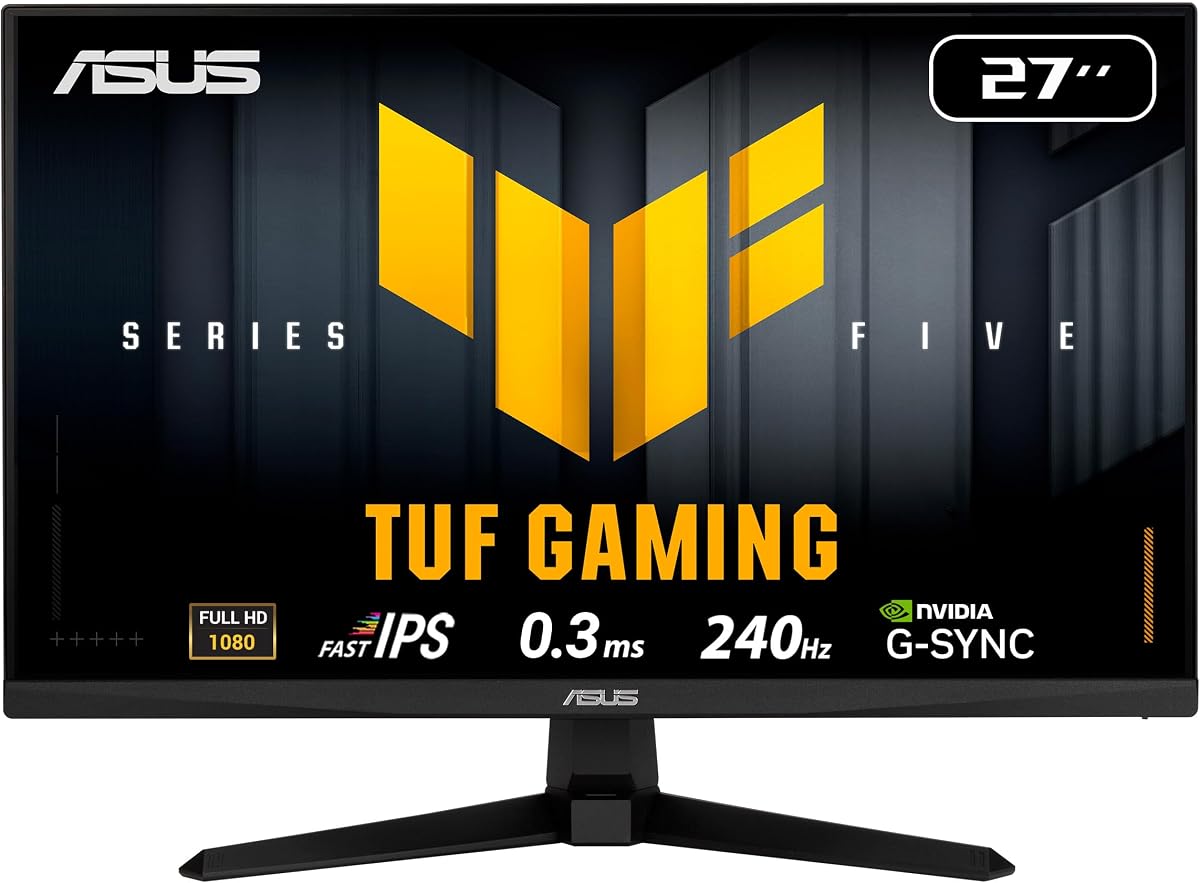

The ASUS TUF VG259QMR5A is a high performance monitor designed for speed and clarity. It carries a strong 4.6 rating from users who appreciate its fast response times. This screen delivers sharp visuals suitable for coding and multitasking tasks.
We may earn a commission when you buy through this link, at no additional cost to you.
Its Fast IPS technology ensures vibrant colors with 99 percent sRGB coverage. The 310Hz refresh rate provides smooth motion which helps reduce eye strain during long sessions. Additionally the ELMB SYNC feature minimizes ghosting for clearer text rendering.
While it is limited to 1080p resolution the pixel density remains acceptable for smaller workspaces. The 25 inch size may feel compact for dual window setups. However the price point makes it a strong entry level choice.
Developers seeking a reliable and fast monitor without breaking the bank will find this ideal. It balances performance and affordability well. We recommend it for those prioritizing refresh rate over screen real estate.
The 0.3ms response time ensures text moves smoothly when scrolling through complex files.
High sRGB coverage helps when viewing charts or color coded interface elements.
We may earn a commission when you buy through this link, at no additional cost to you.
The ASUS ROG Strix XG27ACDNG offers a premium viewing experience with QD OLED technology. Users rate it highly for its immersive visual quality and speed. The QHD resolution provides sharp text clarity essential for AI development workflows.
We may earn a commission when you buy through this link, at no additional cost to you.
With a 360Hz refresh rate and 0.03ms response time motion is incredibly smooth. The OLED care features protect against burn in during static usage. The DCI P3 gamut ensures wide color range for detailed visual tasks.
This monitor is an investment and may be pricier than standard LCD options. The glossy finish might reflect light in bright environments. Despite these factors the image quality remains top tier.
Ideal for professionals needing top notch color and speed this monitor excels. It suits those who value image fidelity over budget constraints. Consider it if you require high performance for daily coding.
The panel covers 99 percent DCI P3 ensuring accurate color representation for graphs.
Custom heatsink helps maintain performance during extended heavy use periods.
We may earn a commission when you buy through this link, at no additional cost to you.
The Samsung 32 Odyssey G55C brings a large 32 inch curved display to the table. This wide view helps when managing multiple code windows simultaneously. The QHD resolution balances detail with performance effectively for development tasks.
We may earn a commission when you buy through this link, at no additional cost to you.
Its 1000R curve wraps around your vision for better immersion. AMD FreeSync keeps visuals smooth while you switch between applications. HDR10 support adds depth to any visual data you might display.
Some users find curves tricky for straight line text readability. It might require adjustment to reduce eye strain over time. However the size advantage is significant for multitasking.
Choose this if you want a spacious setup without buying multiple screens. It works well for complex dashboard monitoring. Ensure your desk can support the larger footprint comfortably.
The curve reduces peripheral distraction helping you focus on central tasks.
HDR10 makes data visualizations pop with better contrast and brightness.
We may earn a commission when you buy through this link, at no additional cost to you.
The ASUS ROG XG27AQDMGR delivers elite performance with its WOLED panel. It earns high marks for color purity and motion speed. The 240Hz rate ensures fluid transitions which aids in rapid data review.
We may earn a commission when you buy through this link, at no additional cost to you.
OLED care pro functions detect user absence to save the panel. This reduces wear during idle periods effectively. The glossy finish enhances color richness making interfaces look stunning.
Reflections can be an issue under bright lighting conditions. The price reflects the premium nature of the technology. Yet the viewing experience is hard to match for quality seekers.
This is a top pick for those who want the best display tech. It suits developers needing precise color rendering. Just ensure your lighting setup complements the glossy finish.
Perfect blacks allow you to see dark details in code clearly.
The sensor turns off screen when you step away to preserve longevity.
We may earn a commission when you buy through this link, at no additional cost to you.
The ASUS TUF VG249QML5A is a compact option for tight desks. It maintains high speed with a 240Hz refresh rate and sharp IPS panel. Users like the ergonomic stand for comfortable viewing angles.
We may earn a commission when you buy through this link, at no additional cost to you.
Its color accuracy remains good enough for standard development tasks. The adaptive sync tech keeps visuals smooth across different apps. It is a reliable choice for focused work environments.
The smaller footprint might require more window switching for large projects. Colors are not as vibrant as wider gamut panels. However it holds up well for general productivity.
Select this if space is limited and speed is key. It balances performance with affordability efficiently. A great choice for those starting their AI journey.
Height adjustable stand helps maintain good posture during long sessions.
Fast rates reduce motion blur when scrolling through long code files.
We may earn a commission when you buy through this link, at no additional cost to you.
The Samsung 27 Odyssey OLED G6 stands out with Pantone Validated colors. It is highly rated for accuracy and clarity. The QD OLED panel offers deep blacks and vibrant hues simultaneously.
We may earn a commission when you buy through this link, at no additional cost to you.
Glare free technology reduces reflections making it versatile for any room. Its 240Hz rate ensures fluid movement which is great for rapid data updates. The stand supports various ergonomic adjustments.
It is a significant investment compared to standard LCD monitors. You must place it carefully to avoid potential burn in issues. Despite this it offers professional grade visual performance.
Best for those needing certified color accuracy for their work. It fits well in design oriented AI projects. Consider it if visual precision is a priority.
Validated colors ensure you see data exactly as intended.
Active system helps manage heat to extend panel life.
We may earn a commission when you buy through this link, at no additional cost to you.
The ASUS ROG XG27ACS simplifies connections with its USB-C hub. It offers 1440p resolution suitable for detailed work. Users appreciate the single cable setup for laptops which reduces clutter.
We may earn a commission when you buy through this link, at no additional cost to you.
Fast IPS technology provides sharp visuals with quick response times. The ELMB SYNC feature helps maintain clarity during scrolling. It balances features and cost effectively for most buyers.
Its color performance is solid but not elite compared to OLEDs. Brightness levels are adequate for indoor use but not for bright rooms. Overall it is a practical workhorse.
Pick this for a clean desk setup without extra adapters. It supports various peripherals easily. A reliable choice for developers valuing convenience.
USB-C hub allows direct connection of laptops and peripherals.
ELMB SYNC ensures text remains sharp during rapid scrolling.
We may earn a commission when you buy through this link, at no additional cost to you.
The ASUS TUF VG279QM5A offers a large screen with speed. It uses Fast IPS tech to deliver sharp visuals quickly. The 240Hz rate ensures smooth transitions across multiple windows.
We may earn a commission when you buy through this link, at no additional cost to you.
Its color gamut coverage is broad enough for creative tasks. G Sync compatible helps prevent tearing during multi app usage. It is a robust monitor for various technical needs.
Full HD on a 27 inch screen might lack sharpness for some. It requires careful placement to avoid pixelation issues. However performance remains strong for most workflows.
Choose this if you want a larger screen without spending too much. It works well for general coding. Ensure your graphics card matches its refresh rates.
27 inches gives more room for split screen applications.
99 percent sRGB ensures standard colors appear accurate.
We may earn a commission when you buy through this link, at no additional cost to you.
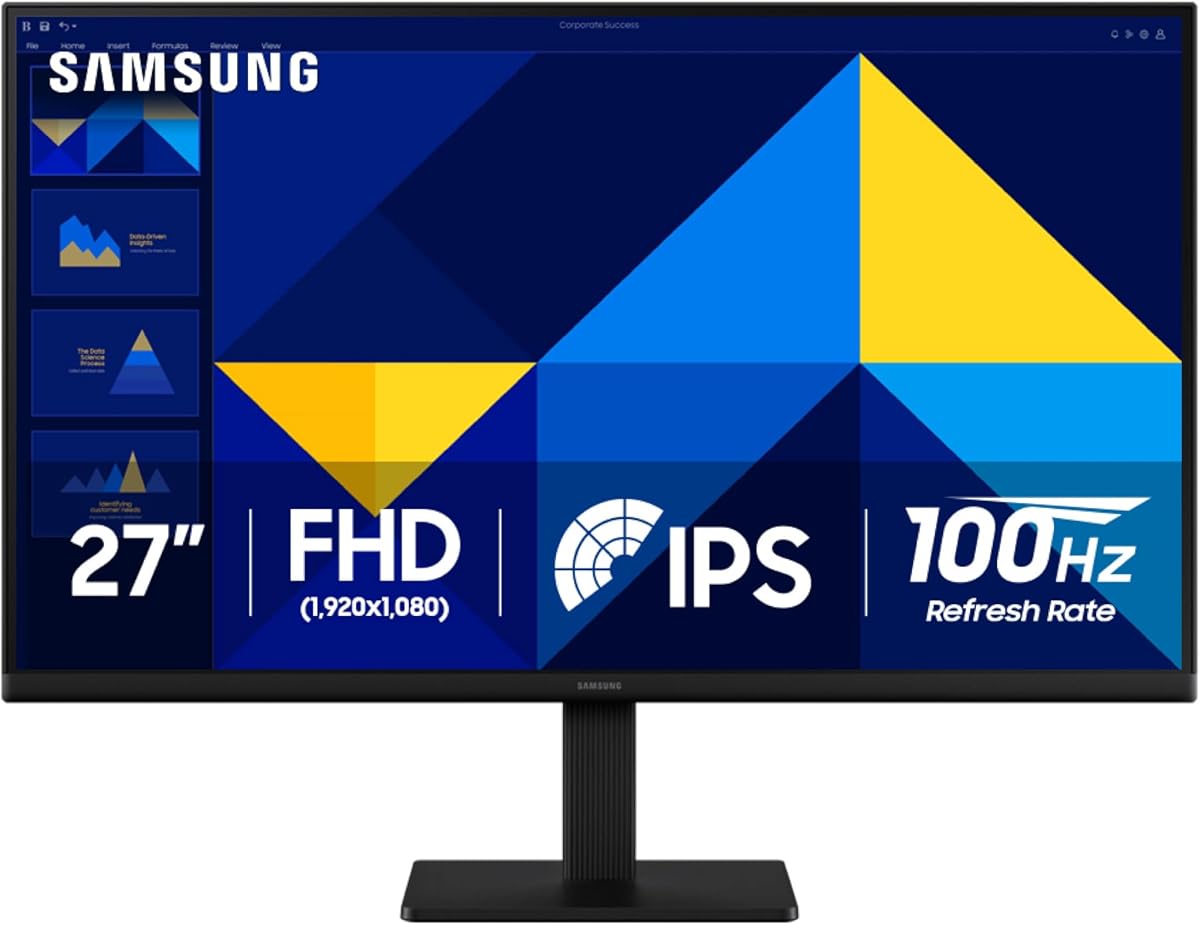
The Samsung 27 Essential S3 is a budget friendly curved option. It provides a wide view for extended sessions. Its eye comfort features reduce strain during long development hours.
We may earn a commission when you buy through this link, at no additional cost to you.
The 100Hz refresh rate is decent for basic tasks. It handles general office work and light coding well. The design is sleek and fits modern desks easily.
It lacks high speed specs found in premium models. You might notice blur during fast scrolling if not adjusted. However the price makes it accessible for many.
Select this for basic setups where cost matters most. It helps with comfort without costing a lot. A practical solution for entry level developers.
TUV certified technology reduces blue light to protect vision.
1800R curve pulls your focus to the center of screen.
We may earn a commission when you buy through this link, at no additional cost to you.
The Samsung 27 Essential S30GD offers a solid IPS panel at a low price. It ensures colors remain consistent across different angles. The slim bezel design keeps the look clean and professional.
We may earn a commission when you buy through this link, at no additional cost to you.
Its 100Hz rate is sufficient for standard workflows. Eye comfort tech helps minimize fatigue during all day use. It connects easily via standard ports for quick setup.
It is not built for high speed tasks or advanced visuals. The screen size might be limiting for complex layouts. Yet it serves well for basic daily needs.
Choose this for straightforward tasks where budget is key. It offers good reliability and simplicity. Ideal for students or those testing AI tools.
IPS panel ensures colors look good from any viewing angle.
Ultra thin borders make multiple screens look seamless.
We may earn a commission when you buy through this link, at no additional cost to you.
Selecting the right monitor involves balancing several technical factors. Understanding these elements helps you make a confident choice for your workspace.
Higher resolution like QHD or 4K offers sharper text and more screen real estate. This is crucial when reading complex code or viewing data visualizations. A higher pixel density reduces eye strain over time.
For AI development aim for at least 1440p to see fine details clearly without squinting.
IPS panels provide better color accuracy and viewing angles compared to TN panels. OLED panels offer superior contrast and deep blacks which help in dark mode coding. Each has trade-offs in price and longevity.
Choose IPS for general stability or OLED if you need top notch visual fidelity.
A faster refresh rate like 144Hz or higher ensures smooth scrolling through files. Response time under 5ms reduces ghosting when moving between windows. These features keep your workflow fluid.
Look for 144Hz or higher to maintain smoothness while switching tasks quickly.
Ports like USB-C allow single cable connections for laptops reducing cable clutter. HDMI and DisplayPort ensure compatibility with various graphics cards. Having multiple ports helps manage peripherals efficiently.
Prioritize USB-C or HDMI if you plan to connect multiple devices daily.
Adjustable stands let you change height and tilt to reduce neck strain. Eye comfort features minimize blue light which helps during long hours. Proper ergonomics are key to sustaining productivity.
Ensure the stand allows full movement to fit your posture perfectly.
High color gamut coverage ensures charts and diagrams appear true to life. This matters when visualizing model outputs or datasets. Good color helps in debugging graphical interfaces.
Check for sRGB or DCI P3 ratings to ensure reliable color reproduction.
Start by calibrating brightness to match your room lighting. This reduces strain and keeps colors accurate over time. Avoid setting brightness too high in dark rooms.
Keep your screen clean with a microfiber cloth to remove dust and fingerprints. Avoid harsh chemicals that could damage the coating. Regular cleaning keeps visuals sharp and professional.
Use a static image saver during long idle periods. This protects against burn in especially on OLED panels. It preserves the screen quality for years of use.
1080p can work for basic tasks but higher resolutions like QHD are better for multitasking. They provide sharper text and more space for code windows. If you work with multiple tools daily consider upgrading to QHD.
A 27 inch monitor is often the sweet spot for productivity. It offers enough space without needing multiple screens. For complex tasks a 32 inch model might be better for full data views.
OLED offers great contrast and color but standard IPS monitors are more affordable and durable. OLED is great if you value image quality. For pure coding performance IPS often suffices.
Higher refresh rates make scrolling and window switching smoother. This reduces motion blur which helps maintain focus during quick navigation. Aim for 144Hz or higher for better fluidity.
Curved monitors reduce eye strain by wrapping around your view. They are good for multitasking but might distort straight text lines. Use them if you prefer immersive setups.
Accurate colors ensure that visualizations represent data correctly. This is vital for debugging graphical models. Good color helps you see subtle differences in output.
We explored ten monitors ranging from budget to premium options. The ASUS TUF VG259QMR5A offers great value for speed while the ASUS ROG Strix XG27ACDNG stands out for quality.
Consider your workflow needs when selecting a screen. If you need speed and clarity prioritize refresh rates and resolution. For comfort look at ergonomics and eye care features.
Prices for these models change frequently so check current deals before buying. We hope this guide helps you find the perfect display for your AI projects.