
Dissolved Oxygen Meter with ATC
4.3Editor score
Extended 0-40 mg/L range
Includes calibration powder kit
Auto temperature compensation built in
This guide compares the top dissolved oxygen sensors for aquaculture, hydroponics, and research to help you find the right tool for water quality monitoring.
Choosing the right dissolved oxygen sensor is crucial for maintaining healthy water conditions in aquaculture, hydroponics, and environmental monitoring. A reliable sensor ensures accurate measurements that protect aquatic life and optimize plant growth effectively.
We evaluated ten leading sensors based on accuracy, ease of use, durability, and compatibility with various systems. Our analysis covers galvanic, optical, and polarographic technologies to help you understand the strengths of each option.
Each pick highlights specific features like calibration speed, maintenance needs, and range capabilities. Please note that prices and availability can change, so check the latest details before purchasing your chosen sensor.
4.3Editor score
4.4Editor score

4.8Editor score
The following table provides a side-by-side comparison of all ten dissolved oxygen sensors included in this guide. Review the key specifications to determine which device best fits your specific monitoring needs and budget constraints.



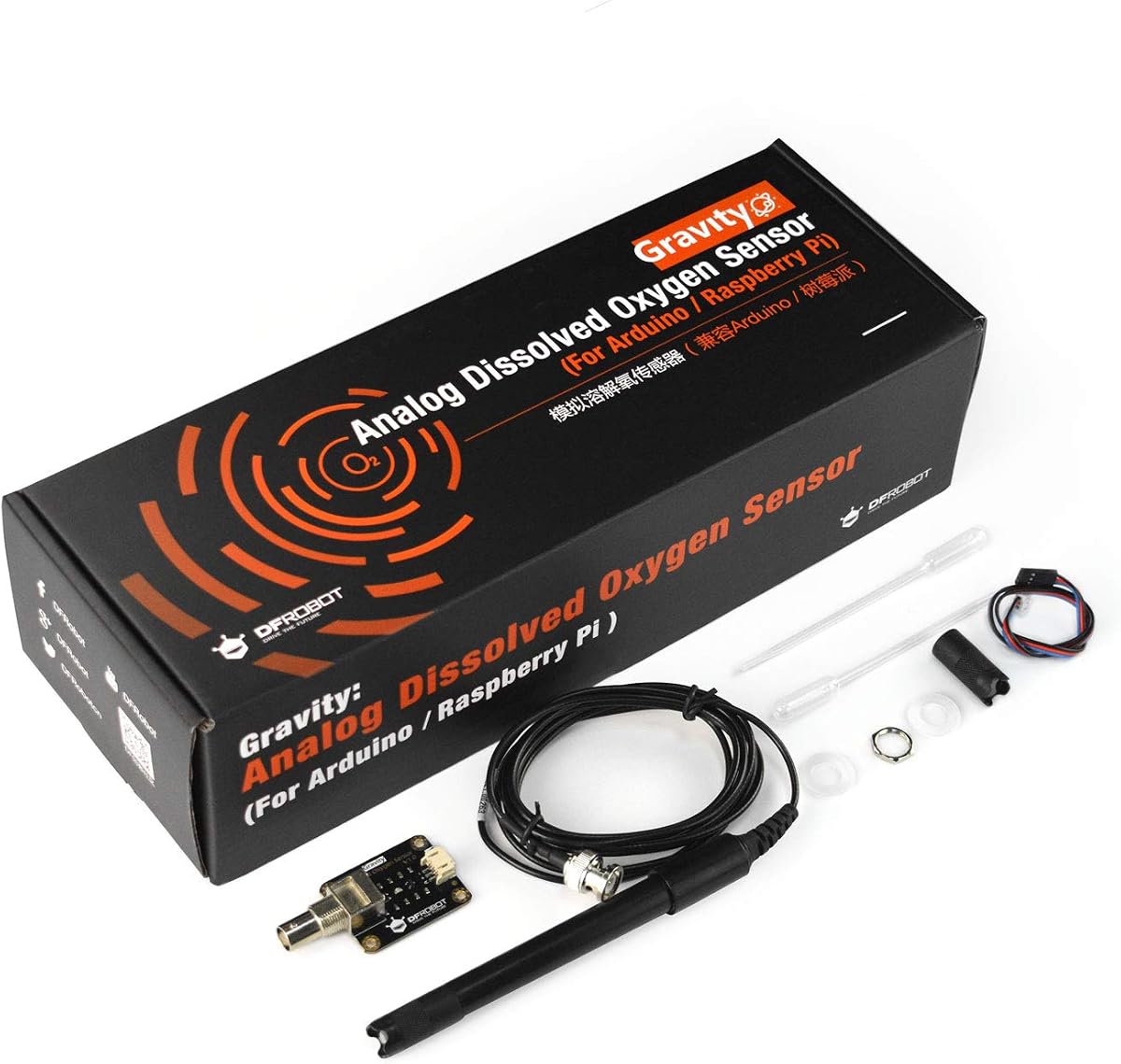
The Gravity Analog Dissolved Oxygen Sensor Kit stands out for its galvanic probe technology that requires no pre-heating or polarization time. With a rating of 4.4 stars, it offers instant readings and is ideal for low-power IoT applications like aquaculture monitoring systems.
We may earn a commission when you buy through this link, at no additional cost to you.
Its hardware filtering ensures stable analog signals without needing complex software processing. The package includes a spare membrane cap and clear documentation with open-source code for quick calibration. This makes deployment straightforward for engineers and hobbyists working with Arduino or ESP32 boards.
While the filling solution is not included due to shipping limits, it is easy to prepare using local NaOH. The need for an external ADC module might add minor cost, but the wide voltage range and Gravity interface simplify integration significantly for custom projects.
This sensor is perfect for users building automated water quality systems who need reliable data without complex setup. It balances performance and ease of use effectively for hydroponics or lab research environments requiring constant monitoring.
The galvanic probe allows you to measure oxygen levels immediately without waiting for stabilization periods.
Replaceable caps and solutions keep long-term costs low compared to disposable sensor units.
We may earn a commission when you buy through this link, at no additional cost to you.
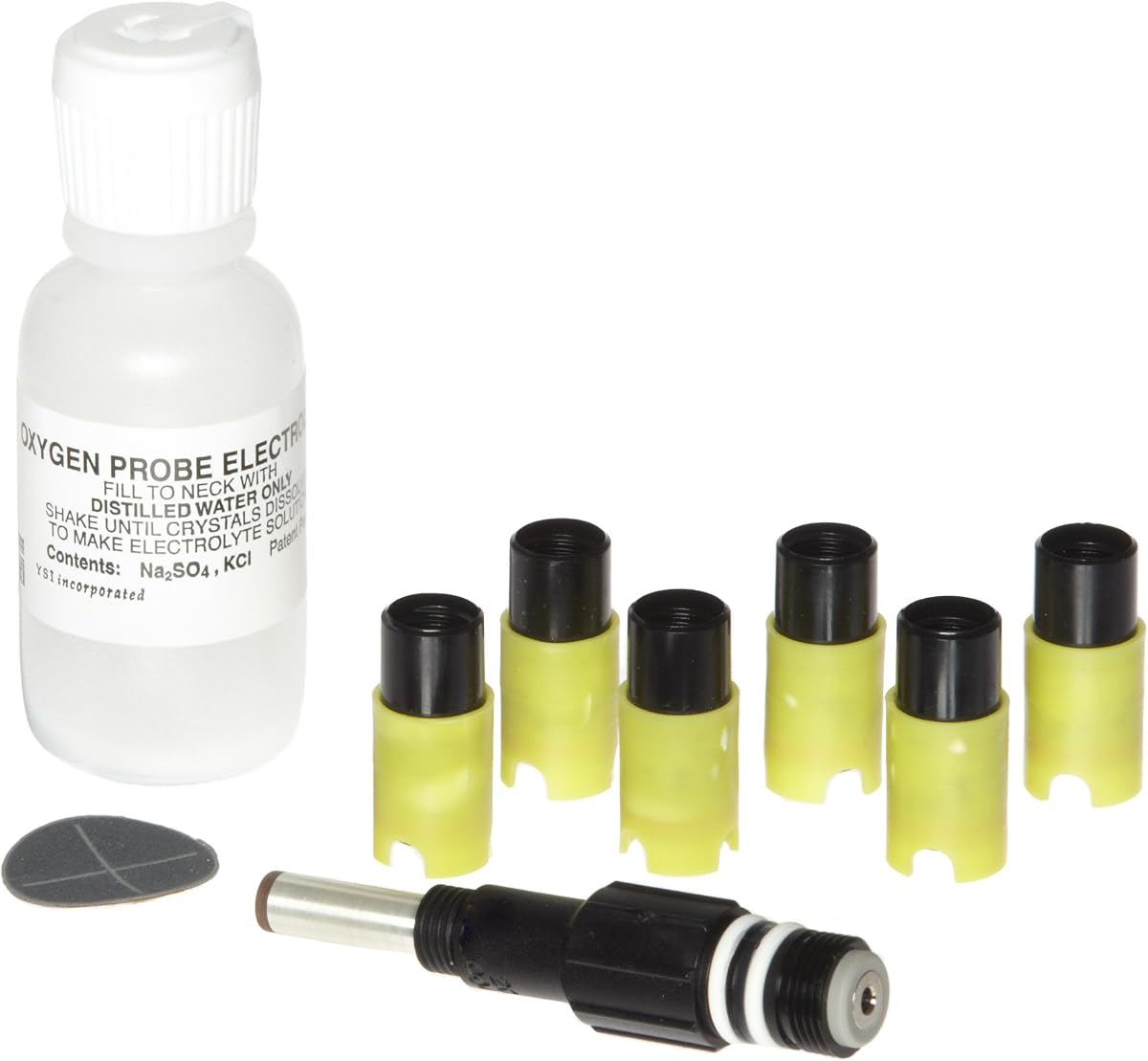
This YSI Pro Series Galvanic sensor is highly rated at 4.8 stars for its user-friendly design. It allows quick replacements without tools, making it ideal for fieldwork where downtime must be minimized during critical water quality checks.
We may earn a commission when you buy through this link, at no additional cost to you.
The convenient screw-on cap membranes make changes simple and easy. Included items like six membrane caps and a solution bottle ensure you have everything needed to keep the sensor running without extra purchases immediately after opening.
While it works best with compatible YSI meters which may increase total system cost, the reliability and speed of maintenance justify the investment for professional applications. The design reduces wear on the sensor body during routine maintenance tasks.
Buyers looking for a durable sensor with minimal maintenance hassle will appreciate this model. It is suitable for aquaculture or environmental monitoring teams that need consistent performance and quick turnover between calibration cycles.
No tools are necessary to swap membranes or replace the sensor, saving valuable time in the field.
The included caps and solution allow you to start using the sensor right away without additional orders.
We may earn a commission when you buy through this link, at no additional cost to you.
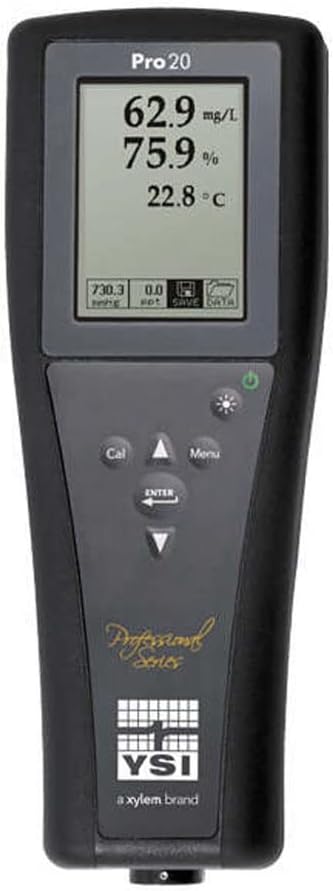
The YSI 6050020 Pro20 Handheld Meter offers robust features with a 4.4 rating. It stores 50 data sets internally which eliminates the need to write down readings manually during field surveys or lab sessions.
We may earn a commission when you buy through this link, at no additional cost to you.
Its One Touch Cal function simplifies DO calibrations within three seconds. Automatic barometric pressure compensation ensures accuracy across different altitudes while the graphic backlit display allows easy reading in low-light conditions.
Since this is the meter only, you will need to purchase a compatible probe separately. However, the interface and storage capabilities make it a strong choice for professionals needing reliable data capture without complex setups.
This device is ideal for environmental scientists or aquaculture managers who need to track trends over time. The glowing keypad and display ensure usability even during night shifts or in shaded areas around ponds or tanks.
Storing 50 data sets means you can record multiple samples before downloading or noting them manually.
The backlit display and glow in the dark keypad ensure you can read values in any lighting condition.
We may earn a commission when you buy through this link, at no additional cost to you.
This YSI 6900 ProDSS Optical Sensor is designed for professional environments requiring high reliability. While the specific rating is not listed, its placement indicates strong industrial performance for continuous monitoring tasks.
We may earn a commission when you buy through this link, at no additional cost to you.
The optical sensor technology minimizes maintenance needs compared to galvanic types. It integrates seamlessly into the ProDSS platform for comprehensive water quality analysis including dissolved oxygen and other parameters simultaneously.
The cost is higher than standard meters but it offers robust durability for harsh conditions. Users needing consistent long-term data without frequent membrane changes will find this investment worthwhile for critical processes.
Choose this sensor if you require a system that handles multiple parameters accurately. It is well-suited for wastewater treatment or large-scale aquaculture operations where data integrity and sensor longevity are priorities.
Optical sensors reduce maintenance by eliminating the need for membrane and electrolyte replacement.
Designed for ProDSS platforms, this sensor provides unified data for complex water quality monitoring.
We may earn a commission when you buy through this link, at no additional cost to you.
This Dissolved Oxygen Meter features an expanded range of 0 to 40 mg/L making it versatile for various water bodies. With a 4.3 rating it delivers reliable results using automatic temperature compensation for precise readings.
We may earn a commission when you buy through this link, at no additional cost to you.
The package is complete with electrode filling fluid and anaerobic water calibration powder to ensure immediate use. You do not need to remove the protective cover for calibration which simplifies the process significantly for daily checks.
Although the LCD lacks a backlight the clear digital display is sufficient for most environments. The auto power-off feature preserves battery life which is helpful for portable field use where charging options are limited.
Buyers seeking a versatile meter for ponds or aquariums will find this model practical. It offers a good balance of functionality and ease of use for those who need broader measurement capabilities without complex features.
The 0-40 mg/L range covers high oxygen levels often found in industrial or extreme conditions.
Inclusion of fluids and powders means you can start testing immediately without extra trips to the store.
We may earn a commission when you buy through this link, at no additional cost to you.
This EZTOCH Digital Dissolved Oxygen Meter is designed for small fish ponds and hydroponic systems. With a 3.6 rating it offers essential functions like two-point calibration and a backlit display for use in dim conditions.
We may earn a commission when you buy through this link, at no additional cost to you.
It comes with zero-oxygen water solution electrolyte bottles and membranes to ensure convenient usage. The 5-minute auto shutoff helps extend battery life which is beneficial for portable devices used frequently in greenhouses.
The cable length of 3.6 feet allows easy access to water in deeper tanks without submerging the meter body. While the rating is lower it remains a cost-effective option for hobbyists needing basic monitoring capabilities.
If you manage a home hydroponic setup this meter provides sufficient accuracy for maintaining healthy roots. It is a practical choice for beginners who want to track dissolved oxygen without investing in expensive professional gear.
The included solutions allow for easy 2-point calibration ensuring reliable results right out of the box.
Auto shutoff after 5 minutes of inactivity helps preserve battery life during casual use.
We may earn a commission when you buy through this link, at no additional cost to you.
This Dissolved Oxygen Tester includes a long 11.48 ft cable and a high 4.0 rating for general use. It offers a hold function and 99-data memory which is useful for tracking multiple water samples efficiently.
We may earn a commission when you buy through this link, at no additional cost to you.
The device measures barometric pressure and salinity alongside oxygen levels. The IRDA port allows for easy data transfer which is a professional feature often found in more expensive models within this price range.
The large LCD display ensures stability indicators and readings are clearly visible during testing. The 12-month sensor life estimate with maintenance makes it a cost-effective option for long-term educational or commercial projects.
Researchers or students needing comprehensive data capture will appreciate the memory capacity. It is a versatile tool for labs or classrooms where recording data manually might introduce errors.
The extended cable allows you to measure deep water bodies without submerging the main unit.
Storing up to 99 sets of data helps streamline analysis and reporting in busy environments.
We may earn a commission when you buy through this link, at no additional cost to you.
The Milwaukee MW600 LED Economy Meter is designed for educational and environmental analysis applications. With a 4.2 rating it offers straightforward two-point manual calibration and automatic temperature compensation for consistent accuracy.
We may earn a commission when you buy through this link, at no additional cost to you.
Its LCD screen is clear and the polarographic probe provides reliable measurements. The included 3m cable and screw-on cap membrane make it easy to start testing right away in classroom or field settings.
While manual calibration requires a bit more effort it ensures users understand the measurement process which is beneficial for educational purposes. The resolution of 0.1 mg/L is sufficient for most standard aquaculture needs.
This device is ideal for schools or small businesses that need a reliable tool without advanced digital features. It balances cost and functionality well for general water quality monitoring tasks.
Simple manual calibration helps students and users learn the principles of dissolved oxygen measurement.
The compact design and included cable make it easy to carry to different testing sites.
We may earn a commission when you buy through this link, at no additional cost to you.
The Apera Instruments AI480 DO850 Kit combines a rugged meter with a 10 ft optical probe for versatile use. Rated 4.8 stars it offers a hassle-free experience with minimal maintenance requirements compared to traditional sensors.
We may earn a commission when you buy through this link, at no additional cost to you.
Its optical sensor measures levels reliably without needing frequent solution refills or membrane changes. The IP67 waterproof structure ensures durability even in harsh environments where water exposure is frequent or unavoidable.
Easy auto calibration for saturated air and zero-oxygen simplifies setup tasks. The included rugged carrying case protects the kit during transport which makes it ideal for field researchers or aquaculture managers on the go.
Investors in high-reliability systems will find this model worth the price. It is perfect for environments where maintenance access is difficult or where consistent accuracy is critical over long periods.
The IP67 rating allows the meter to withstand harsh conditions without damage from water or dust.
Auto calibration features reduce the time and expertise needed to prepare the sensor for use.
We may earn a commission when you buy through this link, at no additional cost to you.
This YSI Polarographic Dissolved Oxygen Sensor is designed for laboratory environments requiring precise measurements. With a 4.6 rating it is recognized for reliability in controlled testing scenarios where accuracy is paramount.
We may earn a commission when you buy through this link, at no additional cost to you.
The sensor is compact and lightweight which facilitates handling during detailed lab procedures. It comes as a standalone supply unit that pairs with compatible YSI meters to form a complete testing system.
Users will appreciate the consistent performance that comes with professional-grade equipment. While it is priced higher than entry-level options it delivers the consistency needed for scientific research and certification processes.
For labs prioritizing data quality this sensor offers a solid foundation. It is suitable for environmental labs or universities where rigorous standards must be met consistently over time.
This sensor is built for environments where precise and repeatable data are critical requirements.
Its compact size makes it easy to manage and transport within a lab setting.
We may earn a commission when you buy through this link, at no additional cost to you.
Selecting the right dissolved oxygen sensor depends on your specific application needs. Use these factors to narrow down your options and find a device that balances performance with convenience.
Different sensors use galvanic, polarographic, or optical technologies. Galvanic and polarographic probes need membranes and electrolytes while optical sensors require less maintenance and no fill solutions.
Choose optical for low maintenance needs and galvanic for lower cost options.
Most standard sensors cover 0 to 20 mg/L which suits most aquatic environments. Some models extend to 40 mg/L for industrial or high-oxygen applications.
Ensure the range matches your specific testing environment to avoid inaccurate readings.
Some devices offer automatic calibration while others require manual steps. One-touch calibration simplifies fieldwork but may cost more.
Prioritize easy calibration if you test frequently or work in challenging conditions.
If working outdoors or in wet environments look for IP67 waterproof ratings. This protects the meter from accidental splashes or rain.
Waterproof meters are essential for field research or aquarium maintenance.
Advanced meters store multiple data sets for later analysis. This is useful for tracking changes over time without external tools.
Select a model with memory if you need historical data for reporting.
Sensors with replaceable membranes and electrolytes require regular upkeep. Optical sensors reduce this burden but cost more upfront.
Consider your maintenance capacity when choosing a sensor type.
Longer cables allow testing of deeper water bodies without submerging the meter. Standard lengths vary from 1 meter to over 10 feet.
Choose a length that reaches your testing depth comfortably.
Established brands like YSI and Apera offer proven reliability and support. Budget brands may suffice for basic tasks but lack durability.
Invest in a reputable brand for critical monitoring tasks.
Begin by removing the protective cap and checking the electrolyte or filling solution. Ensure the membrane is free of bubbles and properly seated.
Immerse the probe into the water sample to the recommended depth. Avoid touching the walls of the container to prevent contamination.
Perform calibration according to the manual using provided solutions. Rinse the probe with distilled water between tests to maintain accuracy.
Calibration frequency depends on usage but typically once every few weeks is sufficient. If you use it daily or in harsh conditions calibrate more often to ensure accuracy.
Galvanic sensors require membranes and electrolytes for measurement while optical sensors use light-based detection. Optical types need less maintenance but cost more.
Yes many sensors can measure dissolved oxygen in salt water but salinity compensation is important. Check if your model has automatic salinity adjustment for accurate readings.
Sensor life varies by type. Membrane sensors may need replacement every few months depending on usage. Optical sensors typically last longer with proper care.
Unstable readings often indicate air bubbles or membrane issues. Check for leaks and ensure the probe is properly saturated before testing.
Yes they are suitable for drinking water but ensure the sensor meets relevant quality standards. Regular calibration helps maintain accuracy for potable water testing.
Store the sensor in a dry place with the cap on. Some types may require a moist cap to prevent drying out.
Many modern sensors include automatic temperature compensation. Verify if your model has built-in temperature measurement to avoid extra devices.
These ten dissolved oxygen sensors cover various needs from hobbyist setups to professional lab requirements. Each model offers unique advantages for specific monitoring tasks.
Prioritize ease of use and durability when selecting your device. Features like waterproofing and data logging can significantly improve your workflow efficiency.
Always verify current pricing and availability before purchasing to ensure you get the best value. Regular maintenance will extend the life of your chosen sensor.